


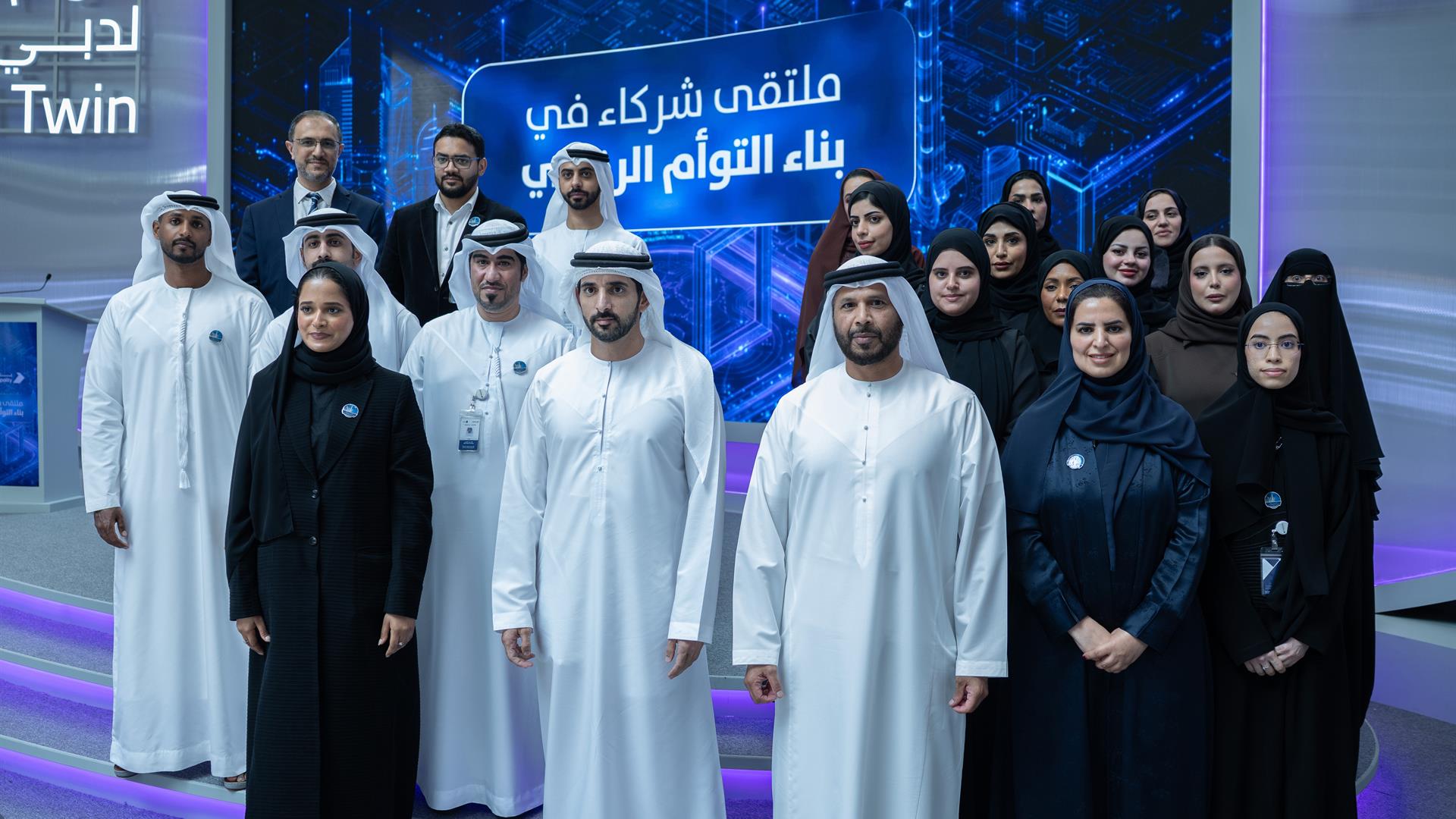
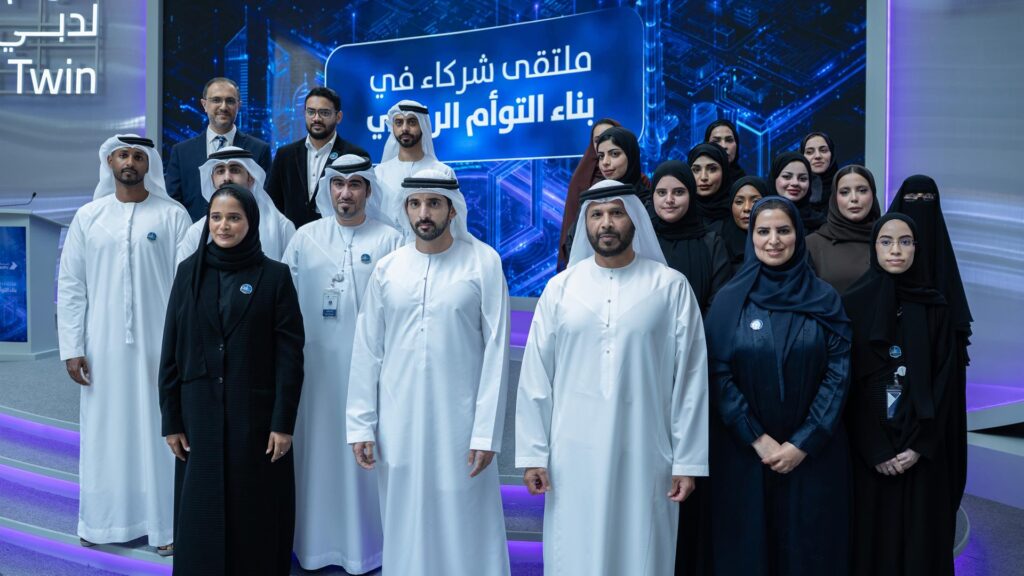
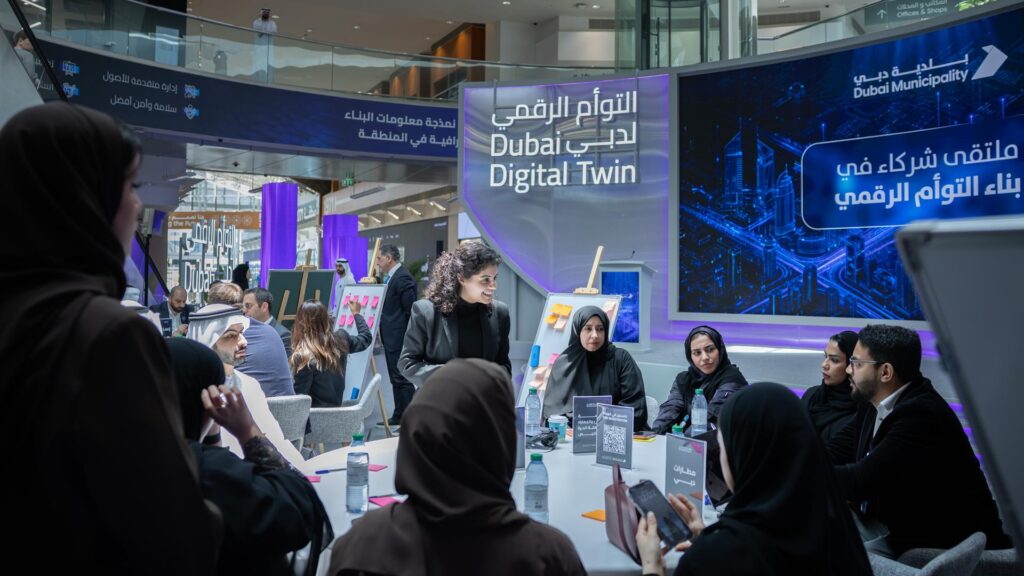
Dubai has taken another serious step into AI-powered city planning with the launch of the Dubai Digital Twin Platform, a project designed to create a living digital version of the emirate.
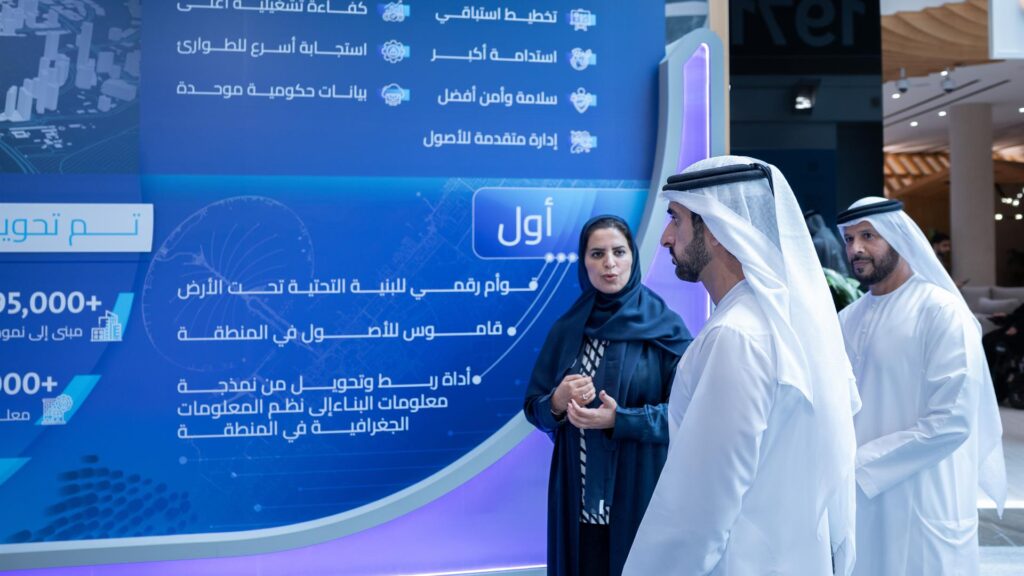
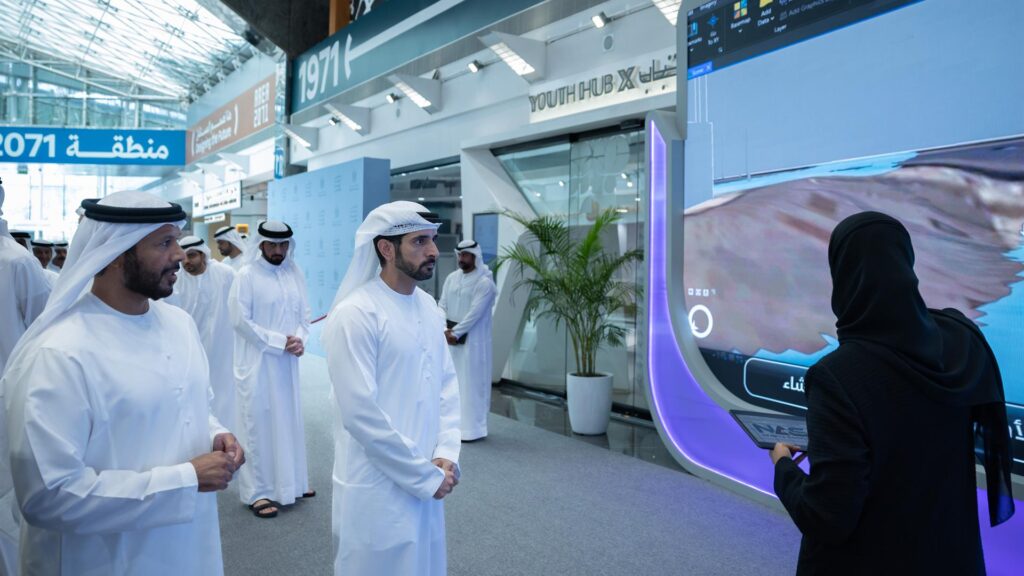
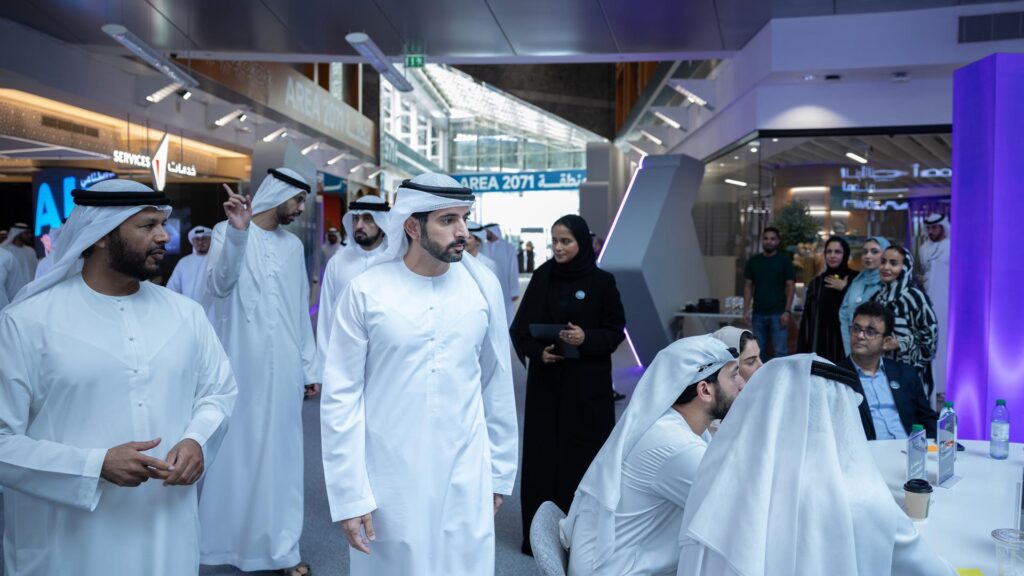
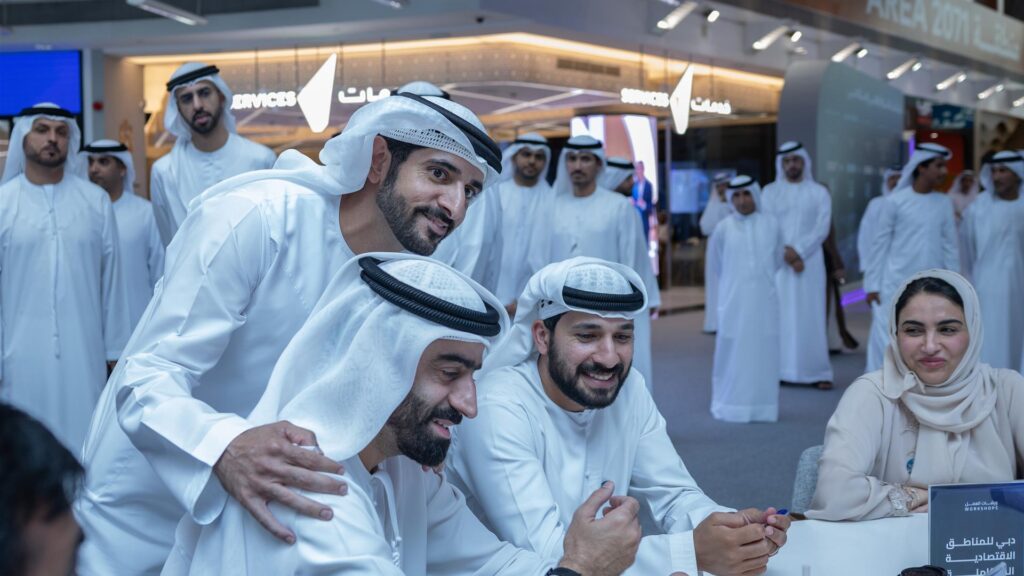
His Highness Sheikh Hamdan bin Mohammed bin Rashid Al Maktoum witnessed the launch, marking what Dubai officials described as a new strategic milestone in the city’s digital transformation journey.
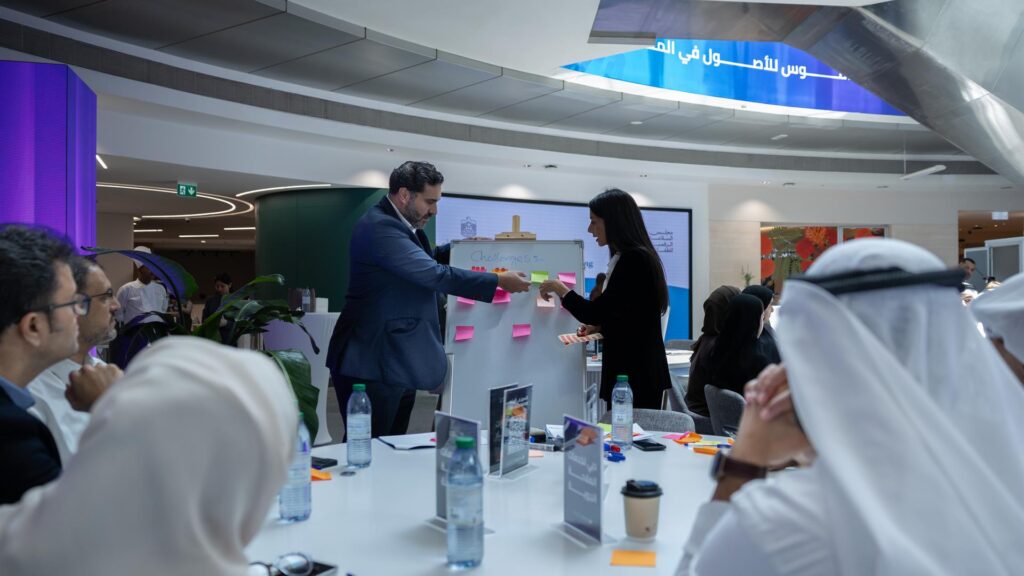
This is not just another government tech platform with a polished name. The Dubai Digital Twin Platform is built to help authorities see, test, and plan the city before decisions move into the real world. Roads, buildings, infrastructure, public assets, rainfall scenarios, master plans, and urban services can all be studied through a digital environment that mirrors Dubai’s physical landscape.
A Virtual Dubai Built for Real Decisions
At its core, the platform acts as an accurate virtual replica of Dubai. It brings together data covering facilities, landmarks, infrastructure, buildings, residential units, and master plans, with continuous updates meant to keep the system reliable and useful.
That matters because cities are becoming harder to manage with old planning tools. Growth is faster. Infrastructure is more connected. Climate risks are more visible. Residents expect services to move quickly.
A digital twin gives decision-makers a way to simulate future scenarios instead of reacting after problems appear. It can support smarter planning, better asset management, and faster coordination between government entities and private sector partners.
AI, Data, and 3D Models at the Center
Sheikh Hamdan said the project reflects Dubai’s wider vision of using advanced technology and data to build a city that is better prepared for the future. He also pointed to an integrated digital ecosystem based on data integration, artificial intelligence, and partnerships between the public and private sectors.
The scale of the project is already large. During the third phase, more than 195,000 buildings across Dubai were converted into 3D models. Dubai Municipality also converted more than 280,000 infrastructure assets and more than 330,000 public facilities and assets into 3D models.
The platform now includes more than 1,500 geospatial data layers and over 100 two-dimensional and three-dimensional applications supporting different sectors.
That gives Dubai a powerful base for urban modelling. Not a static map. Not a dashboard sitting in isolation. A deeper digital layer that can help city planners, infrastructure teams, and public service departments make decisions with more context.
Why This Matters for AI and Smart Cities
The Dubai Digital Twin Platform shows where AI in government is heading. It is moving away from basic automation and into systems that can help manage physical environments.
For smart cities, this is where the technology becomes more practical. AI can support pattern analysis. Geospatial data can reveal risks. 3D modelling can show how a development might affect nearby infrastructure. Rainfall simulation can help prepare for future weather events. Asset data can guide maintenance before failure happens.
Dubai is clearly positioning the platform as part of a bigger economic and urban strategy. The project aligns with the Dubai Economic Agenda, D33, and the emirate’s push to strengthen its global competitiveness.
New Partnerships With Al-Futtaim and Huawei
The launch also included Memoranda of Understanding between Dubai Municipality, Al-Futtaim Group, and Huawei. These partnerships are expected to support the next phase of the Digital Twin ecosystem.
The goal is to expand practical applications across urban planning, infrastructure, operations, asset management, research, and data-driven decision-making.
This part is important. Digital twin platforms do not grow through government data alone. They need technical partners, sector expertise, and real-world use cases. Dubai appears to be building the platform as a shared ecosystem rather than a closed government tool.
Dubai’s Next Urban Technology Layer
Dubai has spent years branding itself as a city of the future. Sometimes that phrase gets overused. In this case, the Dubai Digital Twin Platform gives the idea more weight.
A city that can model itself digitally can plan differently. Testing can happen before construction begins. Departments can also connect through shared data. With better digital models, leaders can prepare for climate, mobility, population growth, and infrastructure pressure with more precision.
The real test will be how widely the platform is used across government and private sector operations. A digital twin only becomes powerful when it starts shaping daily decisions.
For now, Dubai has put another layer into its smart city stack. This one is visual, data-heavy, AI-supported, and built around the idea that the future city should be planned twice: once in the digital world, then in the real one.
