

Close Menu
    What's Hot
    Industry Applications

    Shield AI and LUCAS drone program with AI Swarming Technology

    By Art RyanMay 20, 20260

    Shield AI has been selected to supply its latest Hivemind autonomy software to the U.S.…

    Acceldata Launches Autonomous Data AI Platform for Agentic AI

    May 20, 2026

    Verdane and ETERNO Scale AI Healthcare Operations in Germany

    May 20, 2026

    FANUC and Google Partner to Advance Physical AI in Robotics

    May 20, 2026
    Facebook X (Twitter) Instagram
    Facebook X (Twitter) Instagram
    Breaking AI News
    Wednesday, May 20
    • Home
    • Events
    • Videos
      • Machine Can Think Summit 2026
      • Step Dubai Conference 2026
    • Technology & Innovation

      Shield AI and LUCAS drone program with AI Swarming Technology

      May 20, 2026

      Acceldata Launches Autonomous Data AI Platform for Agentic AI

      May 20, 2026

      Verdane and ETERNO Scale AI Healthcare Operations in Germany

      May 20, 2026

      FANUC and Google Partner to Advance Physical AI in Robotics

      May 20, 2026

      How AI is speeding up nuclear energy deployment and cutting costs

      May 20, 2026
    • Business & Marketing

      Verdane and ETERNO Scale AI Healthcare Operations in Germany

      May 20, 2026

      Google and Blackstone $5B AI Cloud Venture to Rival CoreWeave

      May 20, 2026

      Moment Raises $78M to Revolutionize Wealth Management

      May 20, 2026

      Dubai Holding Partners With Microsoft to Accelerate AI Adoption

      May 19, 2026

      Dust Raises $40M Series B to Scale AI Enterprise Workspaces

      May 19, 2026
    • Industry Applications

      Shield AI and LUCAS drone program with AI Swarming Technology

      May 20, 2026

      Acceldata Launches Autonomous Data AI Platform for Agentic AI

      May 20, 2026

      Verdane and ETERNO Scale AI Healthcare Operations in Germany

      May 20, 2026

      FANUC and Google Partner to Advance Physical AI in Robotics

      May 20, 2026

      How AI is speeding up nuclear energy deployment and cutting costs

      May 20, 2026
    • Trends & Insights

      Google AI Studio Gets Major AI Upgrade at Google I/O 2026

      May 20, 2026

      Google I/O 2026: Sundar Pichai Announces Agentic Gemini Era

      May 20, 2026

      NextEra Dominion $67B Merger Shows AI Power Demand

      May 19, 2026

      Baidu Beats Estimates on Agentic AI Strategy

      May 19, 2026

      Ghana AI Healthcare Programme for Quality Healthcare Access

      May 18, 2026
    • AI Travel Technology News

      Thailand and Alipay+ to Accelerate AI-Driven Tourism Collaboration

      May 19, 2026

      New EU AI Border System May Bring Travel Delays for US Tourists

      May 18, 2026

      AI-Powered Apps Drive Colombia’s Birdwatching Tourism Growth

      May 18, 2026

      Japan Expands e-Gates to Ease Travel for Foreign Visitors

      May 15, 2026

      Vietnam’s $300B Digital Tech Push May Boost AI Travel by 2030

      May 15, 2026
    Breaking AI News
    Home » Microsoft’s AI Demands So Much Power It’s Tapping Into the Site of a U.S. Nuclear Meltdown
    Technology & Innovation

    Microsoft’s AI Demands So Much Power It’s Tapping Into the Site of a U.S. Nuclear Meltdown

    AdminBy AdminSeptember 21, 2024No Comments4 Mins Read
    Facebook Twitter Pinterest LinkedIn Tumblr Email
    Share
    Facebook Twitter LinkedIn Pinterest Email

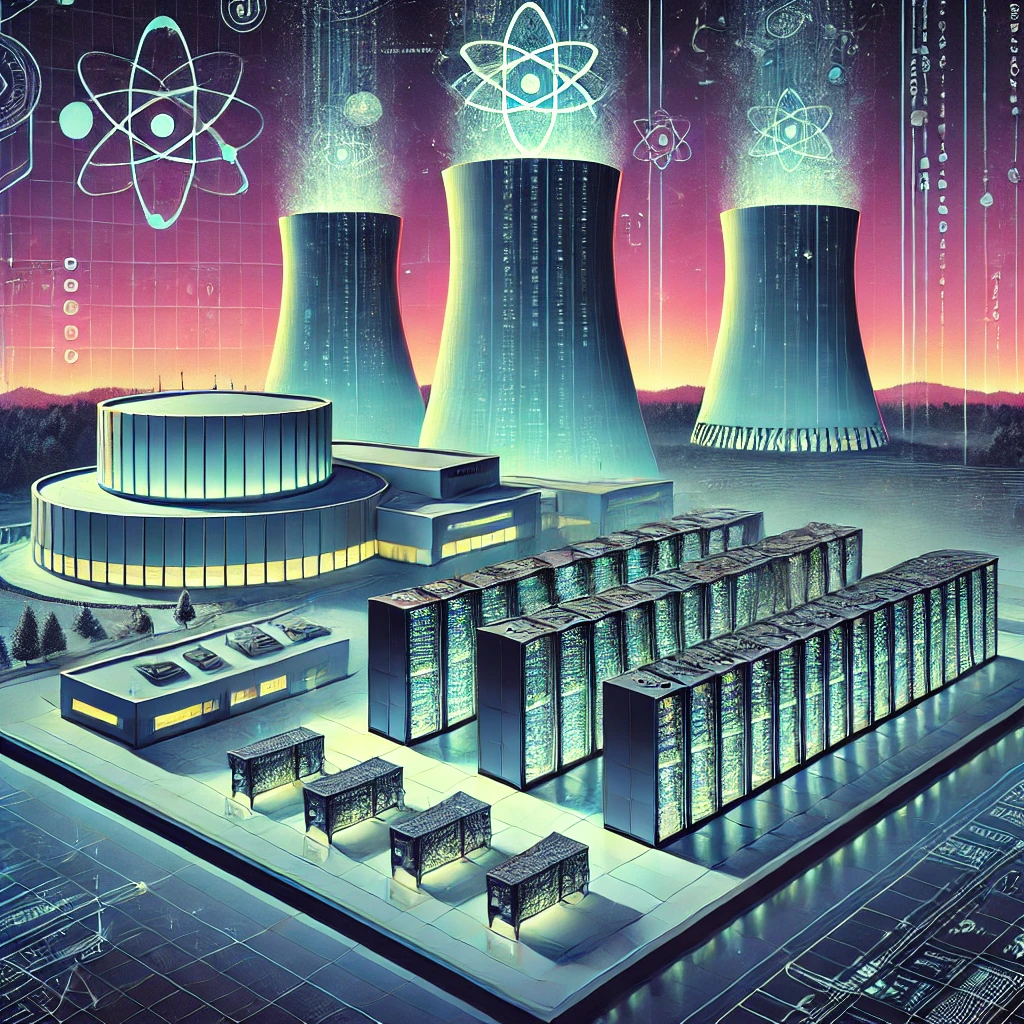
    In a striking example of the immense energy demands required to power artificial intelligence, Microsoft has tapped into the site of the infamous U.S. nuclear meltdown at Three Mile Island to fuel its AI operations. This decision highlights the increasing energy needs of advanced AI technologies and raises questions about the future of sustainable computing.

    As AI continues to grow in capability, the computational power required to support it has skyrocketed. With massive data centers running 24/7, AI training models, like Microsoft’s powerful language and machine learning models, consume vast amounts of electricity. To meet these energy demands, Microsoft is looking to unconventional sources of power, and the site of a former nuclear disaster provides a unique opportunity.

    Why Three Mile Island?

    Three Mile Island, located in Pennsylvania, was the site of the worst nuclear accident in U.S. history. In 1979, the partial meltdown of a reactor core at the facility led to widespread fears about nuclear energy and safety. Since then, the site has been largely decommissioned, with parts of it remaining unused. However, the infrastructure needed to support a large power-consuming operation like a data center already exists, making it a prime candidate for Microsoft’s high-energy AI operations.

    While nuclear energy itself is not being revived at the location, the power grid infrastructure, cooling systems, and the vast space required to house servers are all advantages of the site. By repurposing the area, Microsoft is able to utilize existing facilities to support its growing AI demands without building a brand-new site from scratch.

    AI’s Insatiable Appetite for Power

    The energy required to run advanced AI models is staggering. Training large AI models, such as those used in natural language processing (NLP) or deep learning, can take weeks or even months, consuming as much electricity as entire towns. AI relies on vast data centers filled with servers, which need to be constantly cooled to prevent overheating—driving up energy consumption even further.

    Microsoft’s use of the Three Mile Island site underscores the growing challenge tech companies face in balancing AI advancement with sustainable energy consumption. As AI becomes more integrated into everyday life, from chatbots to autonomous vehicles, the need for more efficient energy sources becomes critical.

    A Move Toward Sustainability?

    While the decision to use the site of a nuclear disaster may seem ironic, it highlights the broader question of how companies like Microsoft plan to address the environmental impact of their AI operations. Microsoft has pledged to become carbon negative by 2030, which involves reducing its carbon emissions and removing more carbon from the atmosphere than it emits.

    In that vein, Microsoft has been exploring clean energy alternatives, including wind, solar, and hydroelectric power, to fuel its data centers. By tapping into the infrastructure of Three Mile Island, Microsoft is repurposing an area that already has power grid connectivity, rather than consuming additional resources to build new facilities.

    Though the energy used at the site isn’t directly tied to nuclear power, the historical significance of Three Mile Island serves as a reminder of the complex relationship between technology, energy, and sustainability.

    The Broader Implications

    Microsoft’s use of the Three Mile Island site reflects a broader trend in tech, where energy-hungry AI is pushing companies to seek new and creative solutions to meet their power needs. As AI technology advances, its potential applications are expanding, but so are the environmental and logistical challenges that come with it.

    Other tech giants, such as Google and Amazon, are also investing heavily in green energy to power their AI operations, with some setting ambitious goals to rely entirely on renewable energy. However, even with such efforts, the sheer scale of energy consumption remains a growing concern for the tech industry.

    Looking Ahead

    The decision to use the Three Mile Island site for AI operations is a glimpse into the future of how tech companies may leverage unconventional or previously overlooked resources to meet their massive energy demands. As AI continues to evolve and its applications become more widespread, the industry will need to explore more innovative solutions to sustain its power needs without further burdening the environment.

    The story of Microsoft’s AI operations at Three Mile Island is not just about energy consumption but also about how we balance technological advancement with environmental responsibility. As AI grows, so too must our efforts to ensure that its development is sustainable and mindful of the planet’s limited resources.

    In conclusion, Microsoft’s move to utilize the site of a former nuclear meltdown for AI power symbolizes both the tremendous potential of AI and the significant challenges it presents. The future of AI may depend not only on the algorithms we create but also on how we harness the energy needed to run them.

    Share. Facebook Twitter Pinterest LinkedIn Tumblr Email
    Admin

    Related Posts

    Shield AI and LUCAS drone program with AI Swarming Technology

    May 20, 2026

    Acceldata Launches Autonomous Data AI Platform for Agentic AI

    May 20, 2026

    Verdane and ETERNO Scale AI Healthcare Operations in Germany

    May 20, 2026

    Comments are closed.

    Latest News

    Shield AI and LUCAS drone program with AI Swarming Technology

    May 20, 2026

    Acceldata Launches Autonomous Data AI Platform for Agentic AI

    May 20, 2026

    Verdane and ETERNO Scale AI Healthcare Operations in Germany

    May 20, 2026

    FANUC and Google Partner to Advance Physical AI in Robotics

    May 20, 2026
    Facebook X (Twitter) Pinterest Vimeo WhatsApp TikTok Instagram LinkedIn YouTube Spotify Reddit Snapchat Threads

    AI University

    • Global Universities
    • Universities in Africa
    • Universities in Asia
    • Universities in Europe
    • Universities in Latin America
    • Universities in Middle East
    • Universities in North America
    • Universities in Oceania

    AI Tools & Apps Directory

    • AI Productivity Tools
    • AI Coding Tools
    • AI Voice Tools
    • AI Video Tools
    • AI Image Generators
    • AI Writing Tools

    Info

    • Home
    • About Us
    • AI Organizations & Associations
    • Contact Us
    • Cookie Policy
    • Copyright Policy
    • Disclaimer
    • Editorial Policy
    • Terms and Conditions

    Subscribe to Updates

    Get the latest creative news from FooBar about art, design and business.

    © 2026 Breaking AI News.
    • Privacy Policy

    Type above and press Enter to search. Press Esc to cancel.

    Sign Up

    Want to stay ahead In Artificial Intelligence?

     Sign up now and get exclusive breaking AI news and special updates—FREE!