


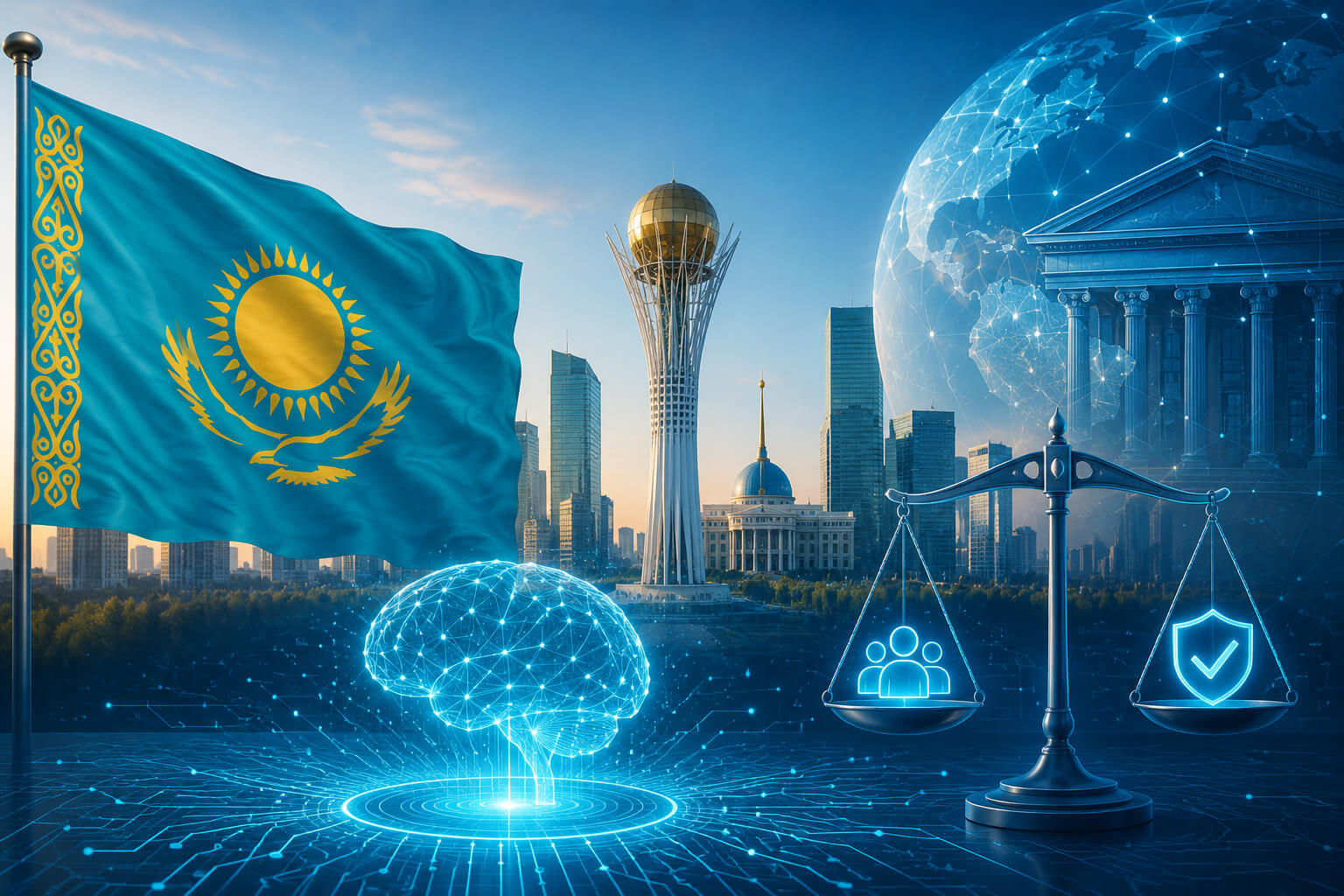
Kazakhstan has launched UNESCO’s Readiness Assessment Methodology (RAM), an innovative approach to assessing the country’s capacity to develop artificial intelligence in an ethical and responsible manner. This step underscores Kazakhstan’s growing commitment to building a human-centered artificial intelligence ecosystem based on global standards and ethical principles.
The initiative was launched by the UNESCO Regional Office in Almaty in partnership with the National Commission of the Republic of Kazakhstan for UNESCO and ICESCO at an event hosted at Astana Hub. The program gathered government officials, AI experts, academia, private sector leaders, and civil society representatives. Together, they began a nationwide dialogue on AI governance and policy development.
What Is UNESCO’s AI Readiness Assessment Methodology?
The UNESCO Readiness Assessment Methodology (RAM) is a framework to assist countries in assessing their readiness to deploy artificial intelligence in an ethical and responsible manner. In addition, the methodology supports the UNESCO Recommendation on the Ethics of Artificial Intelligence adopted by the 193 UNESCO Member States in 2021.
The RAM framework evaluates several key dimensions of a country’s AI ecosystem, including:
- Legal and regulatory frameworks
- Social and cultural impacts
- Economic readiness
- Scientific and educational capacity
- Technological infrastructure
The assessment aims to identify strengths, policy gaps and potential risks while providing tangible recommendations for AI governance.
Kazakhstan’s Move Towards Human-Centred AI
Kazakhstan’s involvement in UNESCO’s RAM initiative is a component of the country’s rapid digital transformation and AI development agenda. Government officials emphasized the importance of transparent, inclusive and publicly beneficial AI development.
At the launch event, UNESCO representatives stressed the need to ensure that AI technologies are developed for the benefit of society, in a fair and safe manner, against the backdrop of rapid expansion of adoption around the world. Also, Kazakhstan’s Ministry of Artificial Intelligence and Digital Development shared its plans to enhance the country’s AI ecosystem and governance capabilities.
The country has formed a National Stakeholder Team that includes government agencies, universities, business groups, AI associations, and civil society organizations to guide the deployment of the RAM assessment and to inform policy discussions on ethics, labor markets, education, gender equality, and technological infrastructure. As a result, this team will help guide ethical and responsible AI development.
Why UNESCO’s AI RAM Matters
UNESCO’s AI Readiness Assessment has become an increasingly important tool for countries looking to balance innovation with ethical safeguards. The framework helps governments develop AI strategies. These strategies protect human rights, promote transparency, and minimize risks related to bias, inequality, and misuse.
The RAM process also facilitates international collaboration by providing a structured roadmap for AI governance for countries. Ultimately, the assessment will help member states to develop stronger institutions, better regulations and more inclusive AI policies, UNESCO says.
The assessment may help Kazakhstan develop future AI legislation and guide national investments in digital infrastructure, education and innovation.
The Future of AI Governance in Kazakhstan
The UNESCO RAM assessment is anticipated to provide concrete recommendations that will shape Kazakhstan’s long-term AI strategy. These recommendations will focus on creating a trusted and ethical AI ecosystem while promoting economic growth and technological innovation.
As the global race for artificial intelligence accelerates, UNESCO’s partnership with Kazakhstan offers a glimpse into how governments are turning their focus to responsible AI governance alongside technological progress.
The move is part of a wider international trend to set global norms for AI ethics, transparency and accountability in an age of fast-moving AI technologies.
For more Breaking AI news visit: https://breakingai.news
