

Close Menu
    • Home
    • Events
      • Upcoming Events
      • Videos
        • Machine Can Think Summit 2026
        • Step Dubai Conference 2026
    • Technology & Innovation
    • Business & Marketing
    • Trends & Insights
    • Industry Applications
    • Tutorials & Guides
    What's Hot
    Industry Applications

    AI Drug Development Johnson & Johnson Impact on Healthcare

    By Art RyanApril 28, 20260

    Johnson & Johnson (J&J) has unveiled new information about the future of AI in healthcare,…

    Qualcomm OpenAI AI Smartphone Processors Partnership News

    April 28, 2026

    Google AI Campus South Korea and Its Development Plans

    April 28, 2026

    Accenture Copilot Rollout Enhances Employee Productivity

    April 28, 2026
    Facebook X (Twitter) Instagram
    Facebook X (Twitter) Instagram
    Breaking AI News
    Wednesday, April 29
    • Home
    • Events
      • Upcoming Events
      • Videos
        • Machine Can Think Summit 2026
        • Step Dubai Conference 2026
    • Technology & Innovation

      AI Drug Development Johnson & Johnson Impact on Healthcare

      April 28, 2026

      Qualcomm OpenAI AI Smartphone Processors Partnership News

      April 28, 2026

      Google AI Campus South Korea and Its Development Plans

      April 28, 2026

      New AI-Based Solution Launched by Box to Revolutionize Enterprise Workflows

      April 28, 2026

      Meta AWS Graviton AI Partnership: Revolutionizing Infrastructure

      April 28, 2026
    • Business & Marketing

      UK AI Startup Ineffable Secures $1.1B in Europe’s Largest Seed Round

      April 28, 2026

      Meta Manus AI Acquisition Blocked Over Strategic Concerns

      April 28, 2026

      Microsoft Ceases Revenue Split With OpenAI in Landmark AI Partnership Move

      April 28, 2026

      ZainTECH Named a Leader in IDC MarketScape: Gulf Countries AI Professional Services

      April 28, 2026

      AI Job Cuts Forecast: Shocking Prediction That 50% of UK Executives Expect Workforce Reduction

      April 20, 2026
    • Trends & Insights

      Google AI Campus South Korea and Its Development Plans

      April 28, 2026

      Meta Manus AI Acquisition Blocked Over Strategic Concerns

      April 28, 2026

      Emirati Inventor AI UAE: Bridging Culture and Technology

      April 28, 2026

      Cursor’s $50 Billion Ambition: Explosive AI Coding Demand Fuels Massive Growth

      April 19, 2026

      Dubai AI-powered government will change your daily life in the UAE

      April 3, 2026
    • Industry Applications

      AI Drug Development Johnson & Johnson Impact on Healthcare

      April 28, 2026

      Accenture Copilot Rollout Enhances Employee Productivity

      April 28, 2026

      HomeLight AI Real Estate Closings Transforming the Market

      April 27, 2026

      UiPath & Databricks Partner to Transform Enterprise Operations through Automation and Data Intelligence

      April 27, 2026

      Visit Oman Launches Revolutionary AI Digital Hub and Global Collaboration to Transform Tourism Industry

      April 27, 2026
    • Tutorials & Guides

      How AI Is Revolutionizing the Future of Travel 2026 with Wellness and Sustainability

      April 19, 2026

      University of Wollongong in Dubai AI initiative boosts future-ready education

      March 31, 2026

      Microsoft AI upgrades Copilot Cowork unveiled for early access users

      March 31, 2026

      Starcloud $11 billion valuation signals AI space race surge

      March 31, 2026

      Flexible AI Factories Power the Future of Energy Grids

      March 30, 2026
    Breaking AI News
    Home » Agentic ‘Control Planes’ Emerge to Manage Integration Within Enterprises
    Technology & Innovation

    Agentic ‘Control Planes’ Emerge to Manage Integration Within Enterprises

    Art RyanBy Art RyanNovember 21, 2025No Comments4 Mins Read
    Facebook Twitter Pinterest LinkedIn Tumblr Email
    Share
    Facebook Twitter LinkedIn Pinterest Email

    Large software vendors are strategically positioning artificial intelligence (AI) agents as a managed layer inside the enterprise rather than as optional add-ons.

    Microsoft’s Agent 365, Salesforce’s Agentforce 360 and Oracle’s AI Agent Marketplace all share the view that businesses will run many agents across crucial functions, including support, operations, finance and customer work, requiring centralized structure, oversight and integration within existing workflows. The result is the early shape of an “AI control plane” that acts as the necessary intermediary between workers, applications and data.

    Common Agentic Architecture

    Microsoft’s Agent 365 is representative of this new model. As PYMNTS reported, the company said businesses “are starting to rely on agents to handle tasks across support, operations and productivity tools, and … need a single place to manage them.” Agent 365 gives IT a consolidated view of every agent running inside a tenant, including those built with Microsoft tools and those built elsewhere.

    PYMNTS noted that the company plans to support detailed metrics so businesses can track output and cost. The design reflects the scale forecasts now circulating in the industry. IDC estimates that more than 1 billion enterprise agents could be active by 2028, creating pressure for stronger oversight.

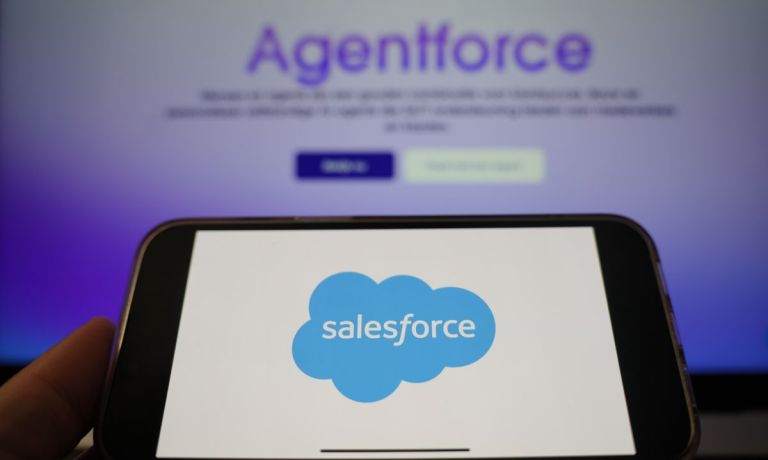
    Salesforce is following a similar pattern. Its recent announcement for agents for various industries like financial services, manufacturing, IT services, the agents introduced prebuilt templates for tasks. These agents sit inside customer relationship management (CRM) and Slack workflows and read from customer records. Salesforce said they operate “in the flow of work” and within established compliance rules. That includes approvals, disclosures and audit trails, all core requirements for enterprise workflows. The templates also standardize the steps an agent can take, which gives firms more predictable behavior.

    Oracle’s AI Agent Marketplace advances the same idea but relies on a catalog rather than templates. The marketplace contains more than 100 agents from third-party vendors. These agents run inside Fusion Cloud Applications covering finance, HR, logistics and customer experience. Oracle said the agents “are embedded inside Fusion applications … which builds context.” That means an agent reviewing an invoice or a supply chain exception sees the same fields and history that a human would.

    Oracle built the marketplace around open protocols such as the Model Context Protocol and Agent-to-Agent messaging. These standards allow agents to hand off tasks, share updates and coordinate without custom integrations. The company also tied the system to its governance tools. Agent Studio lets administrators monitor token usage, set rules and manage access. Oracle said early pilots show agents can streamline routine steps in collections, procurement and support.

    Orchestration, Oversight and Outcomes

    Across all three vendors, several themes are consistent. The first is orchestration. Enterprises expect agents to work with existing systems, not next to them. Microsoft enables this through Microsoft 365 and Power Automate. Salesforce uses CRM, Slack and Data Cloud. Oracle embeds agents directly in ERP and supply chain applications. Each approach places agents inside day-to-day workflows so they can complete tasks with relevant context.

    The second theme is oversight. These platforms bring identity, permissions, logs and audit trails to agent activity. They also record behavior and failure patterns. This helps companies decide which tasks can safely be automated and which should remain with human teams. The controls also address common concerns about data exposure and unpredictable model outputs.

    The third theme is early, measurable outcomes. Salesforce’s internal deployments show faster resolution times and more consistent follow-up. Oracle reports shorter cycles for finance and logistics tasks. Microsoft lets customers to measure agent activity through new reporting tools inside Agent 365. While results vary, the data suggests that tightly scoped, repetitive workflows see the strongest gains.

    Taken together, these developments mark a shift from individual copilots to coordinated agent fleets. The emerging control-plane model gives enterprises a way to see what agents are doing, set rules and track performance. It also signals that the major software providers now view agents as part of core enterprise infrastructure.

    Source: https://www.pymnts.com/
    Share. Facebook Twitter Pinterest LinkedIn Tumblr Email
    Art Ryan

    Related Posts

    AI Drug Development Johnson & Johnson Impact on Healthcare

    April 28, 2026

    Qualcomm OpenAI AI Smartphone Processors Partnership News

    April 28, 2026

    Google AI Campus South Korea and Its Development Plans

    April 28, 2026

    Comments are closed.

    Latest News

    AI Drug Development Johnson & Johnson Impact on Healthcare

    April 28, 2026

    Qualcomm OpenAI AI Smartphone Processors Partnership News

    April 28, 2026

    Google AI Campus South Korea and Its Development Plans

    April 28, 2026

    Accenture Copilot Rollout Enhances Employee Productivity

    April 28, 2026
    Facebook X (Twitter) Pinterest Vimeo WhatsApp TikTok Instagram LinkedIn YouTube Spotify Reddit Snapchat Threads

    AI University

    • Global Universities
    • Universities in Africa
    • Universities in Asia
    • Universities in Europe
    • Universities in Latin America
    • Universities in Middle East
    • Universities in North America
    • Universities in Oceania

    AI Tools & Apps Directory

    • AI Productivity Tools
    • AI Coding Tools
    • AI Voice Tools
    • AI Video Tools
    • AI Image Generators
    • AI Writing Tools

    Info

    • Home
    • About Us
    • AI Organizations & Associations
    • Contact Us

    Subscribe to Updates

    Get the latest creative news from FooBar about art, design and business.

    © 2026 Breaking AI News.
    • Privacy Policy

    Type above and press Enter to search. Press Esc to cancel.