


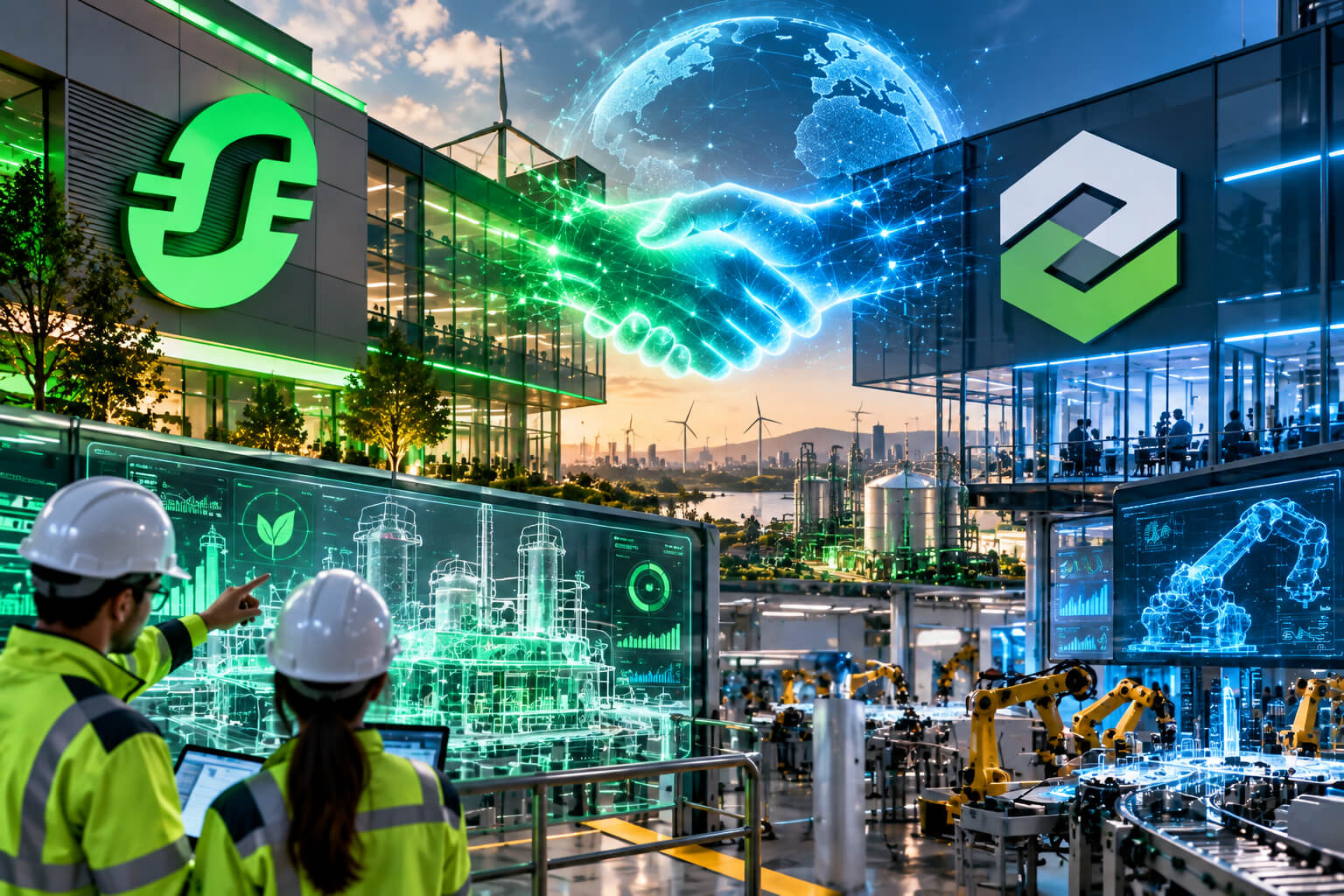
Schneider Electric is making its biggest acquisition yet. The target says a lot about where the French energy technology group thinks industrial AI is heading.
The company has agreed to acquire U.S. industrial software specialist PTC in a $23.7 billion all-cash transaction, including debt. This deal pushes Schneider much deeper into engineering software and product design. Increasingly, these are AI-driven systems manufacturers use to manage products from development through service.
Under the agreement, Schneider will pay $205 per PTC share. That values PTC’s equity at roughly $22.6 billion. It represents a substantial premium to the company’s share price before takeover speculation intensified.
This is not simply another software acquisition. Schneider is trying to connect the physical industrial world it already knows — factories, buildings, power systems and data centres. At the same time, it also wants to connect with the software and AI increasingly sitting on top of it.
Schneider Wants a Bigger Piece of Industrial AI
Schneider Electric already operates across energy management, industrial automation and digital infrastructure, with its technology embedded in factories, buildings, electrical networks and data centres around the world. PTC gives Schneider a much stronger position earlier in the industrial lifecycle because its software is used by engineers and manufacturers to design products, manage technical information and oversee assets after they enter service. The combination could allow Schneider to connect product design data with operational systems. This will become increasingly valuable as industrial AI moves from basic analytics toward automated decision-making and AI agents.
PTC Brings AI Directly Into Engineering Workflows
PTC is already weaving artificial intelligence into several of its major software products rather than treating AI as a separate add-on. Creo incorporates AI-supported design capabilities. Meanwhile, Windchill is moving deeper into generative and agentic AI for product lifecycle management. Codebeamer is also gaining generative AI features for software and systems development. ServiceMax uses AI in field-service workflows. Those tools sit close to the technical data engineers use every day. As a result, Schneider gains access to the kind of structured industrial information that future AI systems will need if they are expected to understand products, engineering requirements, maintenance histories and manufacturing environments.
Schneider Is Building a Much Larger Software Stack
The acquisition fits a strategy Schneider has been building for several years. The company took full control of British industrial software group AVEVA in 2023, strengthening its position in engineering and industrial operations software. It has continued expanding since then, including moves involving industrial data and AI businesses. PTC adds another major layer because its technology reaches into computer-aided design, product lifecycle management and engineering development. As a result, Schneider is effectively building a software stack that can cover more of the industrial journey, from designing a product to running the facilities and infrastructure around it.
Data Centres Add Another Dimension
The deal also comes as Schneider benefits from the global expansion of AI infrastructure. Data centres have become an increasingly important market for the company because the growth of generative AI requires enormous investments in power distribution, cooling, electrical equipment and infrastructure management. Schneider already sells into that physical layer of the AI economy. Adding more industrial software creates another opportunity. The company can potentially participate not only in powering AI infrastructure but also in the software used to design, monitor and optimize the industrial systems surrounding it.
Investors Are Watching the Price Closely
The strategic logic is ambitious, but Schneider still has to justify the price. The PTC acquisition will require significant financing, including a combination of new debt and equity. Investors initially reacted cautiously to the size of the transaction. The concern is familiar in large technology deals: buying a strong software company is one thing, but producing enough new revenue and integrating it successfully is another. Schneider is counting heavily on cross-selling opportunities and deeper integration between PTC’s software and its existing industrial technology portfolio. Because of this, much of the eventual value will depend on execution rather than immediate cost savings.
AI Could Strengthen PTC — or Change Its Market
There is another complication. Artificial intelligence is reshaping the software industry itself. Generative AI may make complex engineering platforms more useful by helping users design products, search technical information, automate routine tasks and interact with software through natural language. At the same time, AI could change how enterprise software gets built, sold and priced. As a result, Schneider is making a huge bet not only on PTC as it exists today, but on the idea that established industrial platforms with deep engineering data will remain valuable as AI changes how software works.
Industrial AI Is Becoming a Bigger M&A Battleground
Much of the AI investment frenzy still revolves around foundation models, chips and cloud infrastructure, but industrial companies are pursuing a different prize. They want AI systems that understand machines, engineering specifications, production environments and physical assets. That requires more than powerful models. It requires years of structured industrial data and software that already sits inside the workflows of engineers and manufacturers. PTC has built exactly that kind of position. Meanwhile, Schneider brings industrial infrastructure, automation technology and a large global customer base. The proposed combination shows how industrial AI is becoming a serious acquisition battleground rather than a niche extension of enterprise software.
Schneider’s AI Strategy Is Moving Beyond Hardware
For Schneider, the PTC deal makes its long-term direction harder to miss. The company is still deeply rooted in electrical infrastructure and automation. However, it increasingly wants software, data and AI to sit alongside those businesses. That gives Schneider exposure to both sides of the current AI investment cycle: the physical infrastructure required to support computing and the software required to run increasingly digital industrial operations. The acquisition is expensive, complicated and far from risk-free. Still, it places Schneider much closer to the centre of industrial AI.
The next wave of artificial intelligence will not happen only inside consumer chatbots or hyperscale cloud platforms. A growing part of it will unfold inside factories, engineering departments, power networks and industrial systems. Schneider Electric appears willing to spend tens of billions of dollars to make sure it has a seat at that table.
Sources
Reuters: Schneider Electric acquisition reporting
https://www.reuters.com/business/frances-schneider-electric-nears-20-billion-deal-buy-us-software-group-ptc-ft-2026-10-04/
Schneider Electric: Corporate and investor information
https://www.se.com/ww/en/about-us/investor-relations/
PTC: Company overview and software portfolio
https://www.ptc.com/en/about/facts/ptc
