


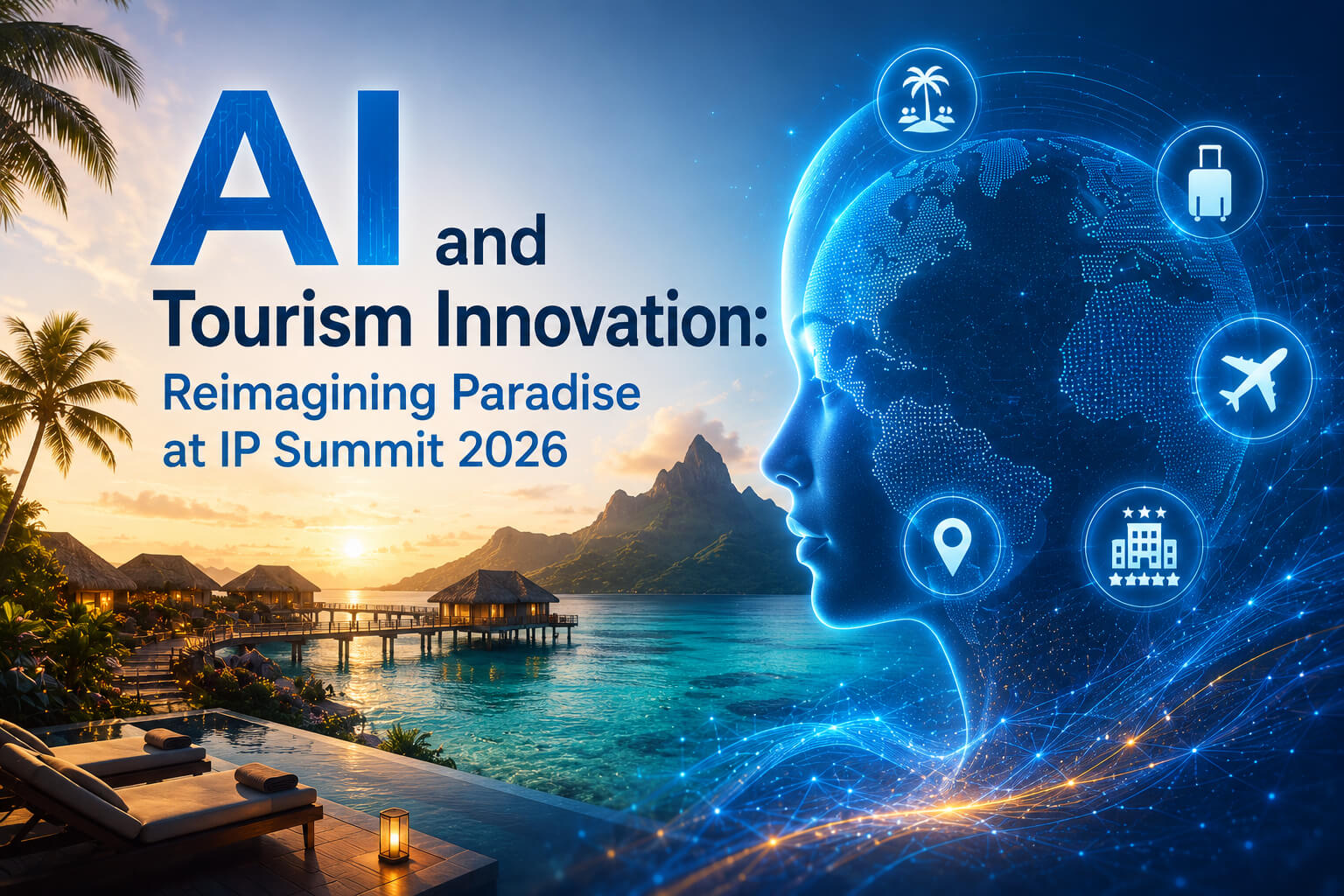
Trelawny, Jamaica (May 25–27, 2026) — The session “Imagining Paradise: Reimagining Tourism in Jamaica through AI and Technology” brought together some of Jamaica’s most influential tourism leaders to explore how artificial intelligence can enhance competitiveness while safeguarding cultural identity. Moderated by Dr. Carey Wallace, Executive Director of the Tourism Enhancement Fund, the panel featured Mrs. Nicola Madden Greig, Group Director of Marketing & Sales at Courtleigh Hospitality Group; Professor Lloyd Waller, Executive Director of the Global Tourism Resilience & Crisis Management Centre; and Professor Hopeton Dunn, Professor of Communications Policy & Digital Media at The University of the West Indies.
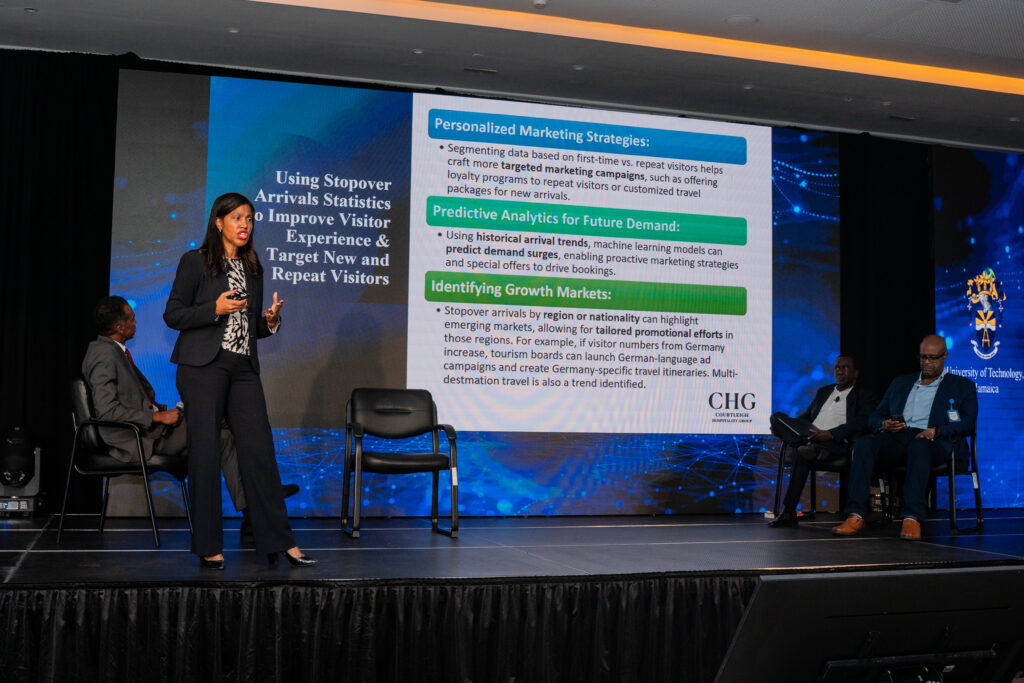
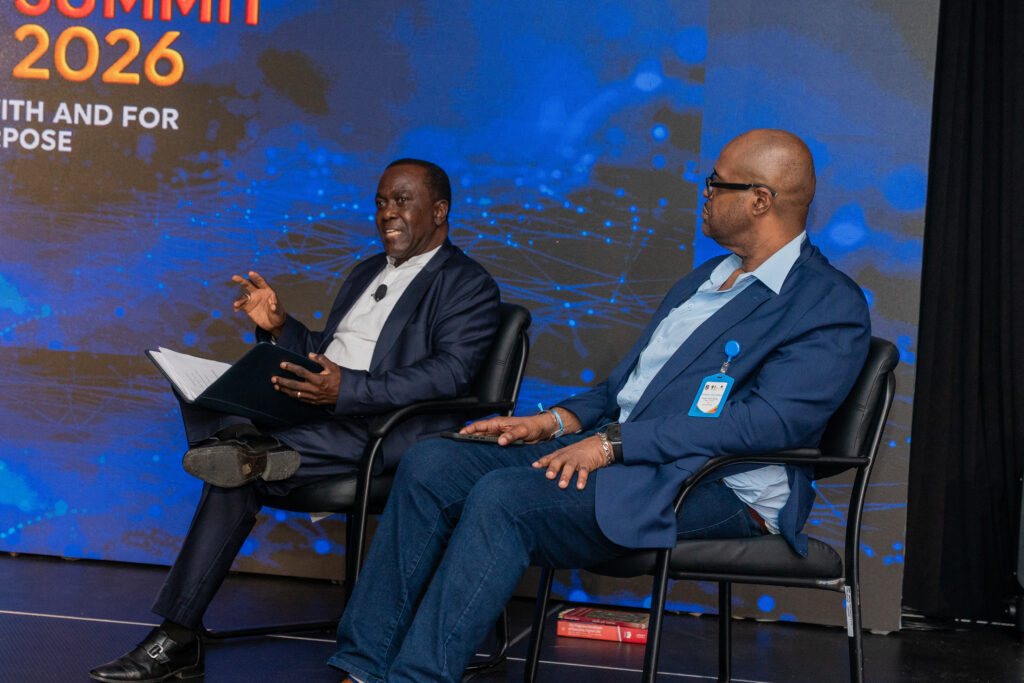
The discussion highlighted pressing challenges: visitor experiences remain generic due to limited personalization and weak real-time engagement tools; AI-generated content risks distorting Jamaica’s cultural identity; and many small and rural operators lack digital readiness, leaving them excluded from online markets. Concerns about job displacement and limited community awareness of tourism’s broader opportunities added to the urgency.
The panel proposed forward-looking solutions, including a national AI-powered tourism platform to personalize itineraries, promote lesser-known attractions, and deliver multilingual concierge services. They advocated for AI-enabled Patois and multilingual tools to deepen cultural immersion, and for augmented and virtual reality to preserve heritage and create new visitor experiences. To ensure responsible innovation, they called for a national ethical AI governance framework covering transparency, privacy, and authenticity.
Capacity building was emphasized as critical: digital skills workshops, certification programmes, and community-based training to empower rural and small-scale providers. Rather than replacing workers, the panel envisioned hybrid human–AI systems that enhance service and free staff to focus on meaningful human interaction. Collaboration among government, academia, private sector, and community enterprises was seen as essential, particularly in engaging youth through digital content creation and influencer-driven initiatives.
The implications for policy were clear. Jamaica needs a comprehensive AI and tourism policy to regulate innovation while protecting cultural authenticity. Investments in rural digital infrastructure, workforce reskilling, and lifelong learning must prepare Jamaicans for an AI-enhanced tourism environment. Education reform across tourism, business, and technology programmes should embed AI literacy, data analytics, and cultural heritage technologies, while TVET must be modernized to equip learners with practical digital tourism skills.
The panel concluded that AI holds transformative potential for Jamaica’s tourism sector — offering personalization, cultural preservation, operational efficiency, and new digital products. Realizing this potential requires coordinated national action, ethical governance, inclusive capacity building, and educational reform to ensure that innovation strengthens Jamaica’s cultural identity, community participation, and economic resilience.
Event Details
Event: Innovation With and For a Purpose (IP) Summit 2026
Dates: May 25–27, 2026
Location: Trelawny, Jamaica (Ocean Coral Spring Resort)
