


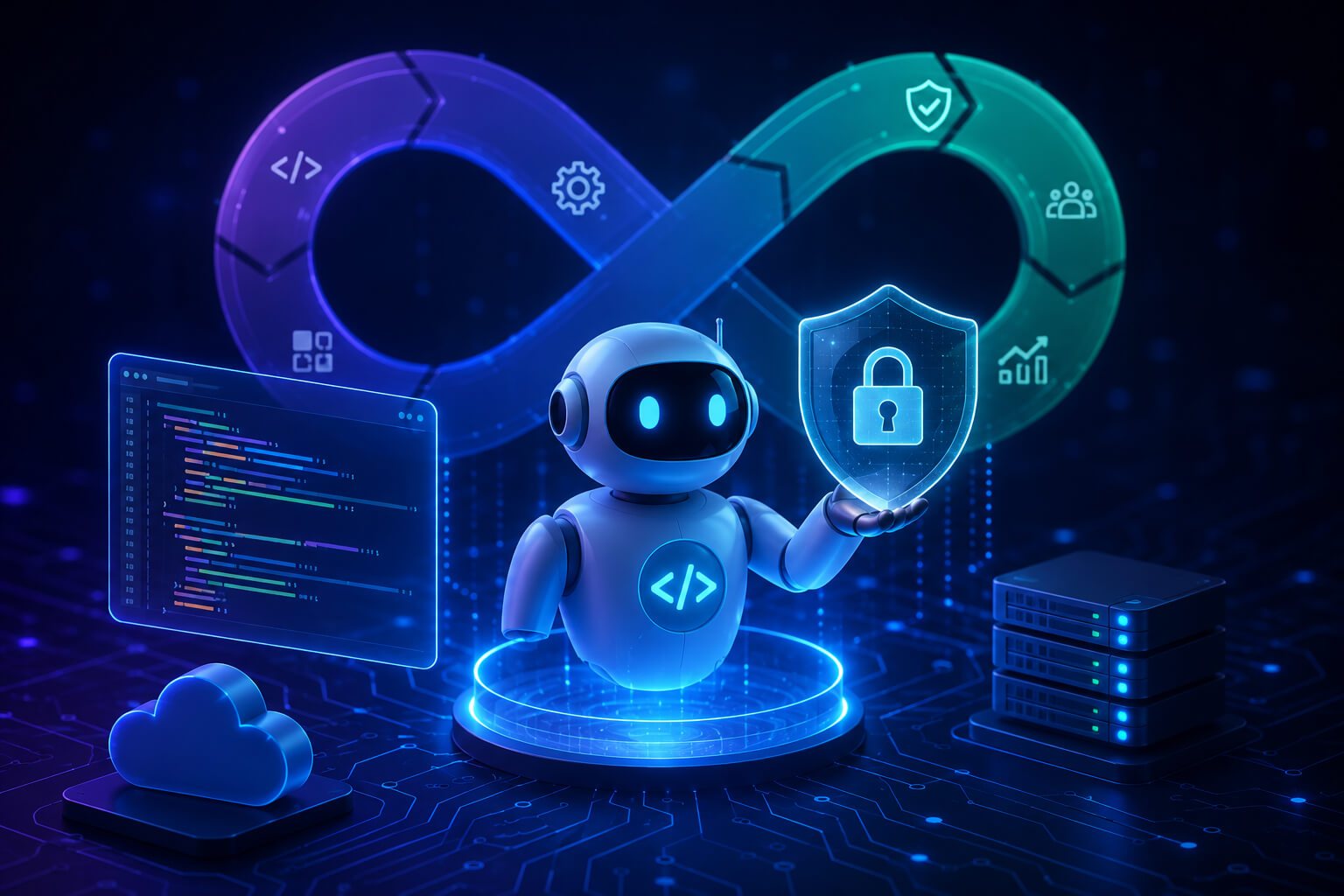
42Crunch has introduced a new integration with Claude Code designed to help enterprises secure AI-generated software at the same speed it is being created. The announcement marks a major step toward what the company calls “agentic DevSecOps,” where security checks, fixes, and validation happen continuously inside AI-driven development workflows.
As AI coding agents become more common in enterprise software teams, applications and APIs are being generated and modified faster than traditional security processes can review them. 42Crunch says its new AI coding plugin addresses this challenge by embedding API security directly into the development lifecycle.
Real-Time Security for AI-Generated APIs
The 42Crunch Claude Code plugin is built to detect API vulnerabilities as AI agents generate or modify code. Instead of waiting for later-stage manual reviews or separate security scans, the integration analyzes API-related risks in real-time.
The system, 42Crunch says, can identify vulnerabilities, come up with context-aware fixes, automatically apply those fixes, and re-test the updated code, creating an automated detect-and-fix loop designed to minimize delays between development and security review.
Why Agentic DevSecOps matters
Agentic DevSecOps is the automation of security workflows that can run alongside AI coding agents. Standard DevSecOps builds security into pipelines but still relies heavily on human review and manual remediation.
AI agents can now write and modify code at machine speed, increasing security risks for companies. Insecure APIs can spread faster than security teams can react. APIs play a critical role because they connect applications, services, data, and AI systems.
42Crunch sees API security as a control layer for enterprise AI development. By embedding automated API testing and remediation into the workflows of Claude Code, the company hopes to help organizations scale AI-assisted software development without increasing their attack surface.
What you get with the 42Crunch Claude Code Plugin
The integration focuses on four core features:
- Native API security in AI coding workflows
As code is generated or modified, the plugin scans for API security vulnerabilities. - Real-time Vulnerability Detection
API risks are surfaced 24/7, not just during scheduled scans. - Automated remediation loops
The platform can suggest, apply, and validate fixes without waiting for manual intervention. - Lifecycle protection
42Crunch says the approach supports security from API design through runtime enforcement.
Enterprise AI Development Needs Faster Security
The announcement reflects a broader shift in software development. AI coding tools are helping developers move faster, but enterprise security teams must now adapt to a much faster development cycle.
For businesses adopting AI coding assistants, speed alone is not enough. Security teams need guardrails that can operate inside developer workflows and keep pace with automated code generation.
42Crunch’s integration with Claude Code shows how cybersecurity vendors are beginning to build tools specifically for the AI coding era, where software creation, API expansion, and risk management increasingly happen in real time.
The Bigger Picture
AI coding agents are reshaping how enterprises approach DevSecOps. Enterprises can no longer treat security as a final checkpoint after developers write code. Instead, teams must embed security as a continuous, automated layer throughout the development process.
With its Claude Code plugin, 42Crunch is aiming to make API security part of that automated layer. For companies testing AI-assisted development, it could help reduce risk while allowing teams to keep the productivity benefits of AI coding tools.
For more Breaking AI news visit: https://breakingai.news
