


Key Takeaways
- Google and American Airlines are working on an AI initiative to reduce contrails, which contribute to global warming.
- The AI system predicts where contrails may form by analyzing atmospheric conditions and recommends slight flight path adjustments.
- Trials showed that AI-guided routes reduced contrail formation by 62% and lowered warming impact by 69%, without significant fuel increases.
- This project demonstrates how small route changes can lower aviation emissions, leading to cleaner air travel.
- Future trials will further explore the system’s effectiveness across various routes and conditions.
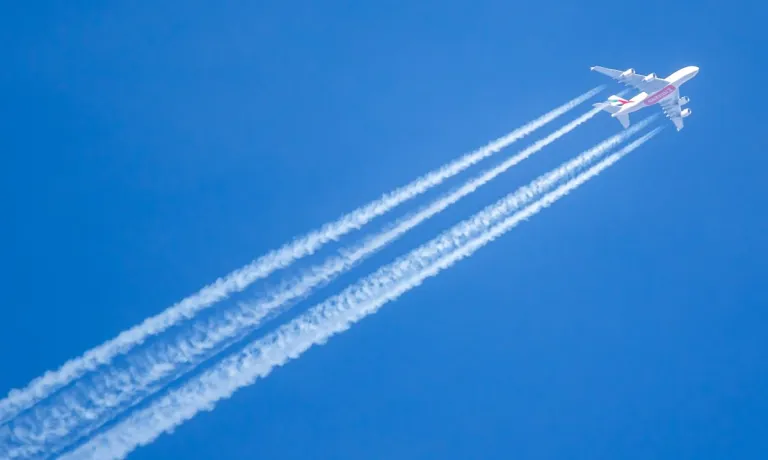
Google and American Airlines are working together on an AI-driven initiative aimed at reducing the environmental impact of aviation. The focus is on minimizing contrails—those cloud-like trails left behind by aircraft that can trap heat in the atmosphere and contribute to global warming.
The system uses AI to predict where contrails are most likely to form during a flight. It looks at atmospheric conditions like temperature and humidity, then identifies zones where contrails are more likely to appear. The idea is simple: adjust flight paths slightly to avoid those areas.
Technology Behind Google American Airlines AI Contrails
The Google American Airlines AI contrails system relies on machine learning to analyze weather data alongside flight information. It pinpoints cold, humid regions where contrails tend to form.
Once those areas are identified, the system recommends small changes—like slight shifts in altitude or route. These adjustments are designed to reduce contrail formation without affecting normal flight operations.
The technology is built into existing flight planning tools. Pilots and dispatchers can review these suggestions and apply them when planning routes.
Results of Google American Airlines AI Contrails Trial
The project was tested across 2,400 transatlantic flights between the United States and Europe. Some flights followed their usual routes, while others used AI-guided adjustments.
Out of these, 112 flights that followed the AI recommendations showed a 62% drop in contrail formation. These same flights also recorded an estimated 69% reduction in their warming impact.
Fuel usage was also part of the study. The data showed no meaningful increase in fuel consumption compared to standard flight paths.
Impact of Google American Airlines AI Contrails on Aviation
This initiative shows that targeted route changes can help reduce aviation emissions. Since contrails only form under certain conditions, small adjustments can make a noticeable difference without requiring major operational changes.
The project is a collaboration between Google, American Airlines, Flightkeys, and Contrails.org. It builds on earlier research and moves the concept into real-world testing.
More trials are planned to see how well the system works across different routes and conditions. The Google American Airlines AI contrails effort is part of a broader push to use technology to lower aviation’s environmental impact.
