


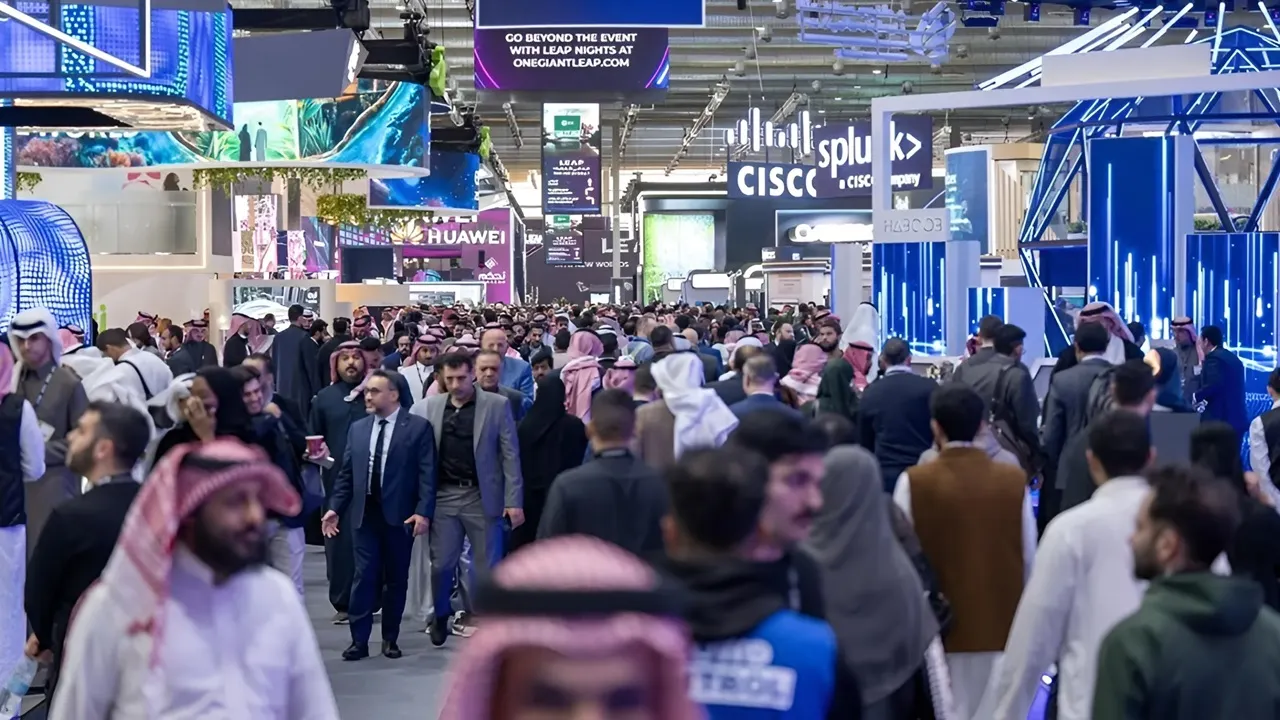
HP is bringing its Garage 2.0 startup incubator to Saudi Arabia, adding another major technology company to the Kingdom’s growing AI startup ecosystem.
The company announced the Saudi launch during LEAP 2026. Garage 2.0 will connect startups with educators, industry partners and HP specialists. The focus is practical: help founders turn AI ideas into products that can actually move toward deployment.
The timing is interesting. Saudi Arabia has spent heavily on AI infrastructure, skills and startup development. HP is arriving when that ecosystem is already much more crowded — and much more mature.
HP Garage 2.0 Makes Its Saudi Debut at LEAP 2026
HP unveiled Garage 2.0 in Saudi Arabia during the opening day of LEAP 2026. The incubator is built around collaboration rather than simply providing office space. Startups will be able to work with HP teams, educators and industry partners. The aim is to help founders develop AI solutions with clearer commercial potential. HP is also using LEAP to showcase the program alongside its wider AI device and software portfolio.
The Name Goes Back to HP’s Original Garage
Garage 2.0 deliberately borrows from HP’s own history. Bill Hewlett and Dave Packard started the company from a garage in Palo Alto in 1939. HP is now using that story as a symbol for early-stage innovation. The message is fairly obvious: big technology businesses can start with small teams and unfinished ideas. In Saudi Arabia, HP wants Garage 2.0 to become a place where some of those ideas get pushed further.
Startups Get More Than Mentorship
HP’s broader Garage 2.0 model gives selected startups access to technical expertise, mentorship and co-creation opportunities. Founders can work directly with HP teams to test and refine their products. The program also includes go-to-market support and potential funding opportunities. HP says the incubator is designed to help startups move from an initial concept toward something commercially useful. That makes the model closer to an innovation partnership than a traditional classroom-style accelerator.
AI Sits at the Center of the Program
Artificial intelligence is one of Garage 2.0’s main priorities. HP’s existing program focuses on areas including AI for edge devices, smarter operations and next-generation decision-making. That fits neatly with Saudi Arabia’s current technology strategy. The Kingdom is investing in AI models, cloud infrastructure, data centers and local talent. HP can plug its incubator into that larger environment instead of building a startup community from scratch.
Saudi Arabia Already Has a Busy AI Startup Scene
HP is entering a market that has changed quickly. Saudi Arabia has launched accelerators, startup programs, investment vehicles and skills initiatives around artificial intelligence. Local deep-tech companies are also building more Saudi-specific AI products. That makes Garage 2.0 useful, but it also means HP will have to compete for strong founders. The incubator arrives at a point when startups have more choices about where they get support.
HP Wants Garage 2.0 to Connect People, Not Just Technology
Fadle Saad, Managing Director of HP’s Regional Headquarters, framed the initiative around people and skills. HP wants Saudi innovators to gain the confidence and resources needed to turn ideas into real-world products. That people-first angle matters. Saudi Arabia does not only need more AI infrastructure. It also needs founders, engineers and operators who know how to build companies around that infrastructure. Garage 2.0 is clearly trying to sit in that gap.
Garage 2.0 Builds on HP’s Existing Saudi AI Strategy
The incubator is not HP’s first AI move in Saudi Arabia. The company previously announced an AI R&D Center of Excellence in Dhahran. That center has now moved into active development work. Projects include HP Agent One, an Arabic-capable agentic AI system for IT support. Another tool, FlowMaster, uses OCR and multimodal AI to automate administrative workflows.
HP Is Also Working on Arabic AI Models
HP’s Dhahran research center is developing Arabic language model capabilities using Saudi datasets. One area of focus is the Najdi dialect. That is a more local approach than simply adapting an English-first model. Regional dialects can create real problems for AI systems because vocabulary, pronunciation and context vary significantly. Building around Saudi data could make future tools more useful for local businesses and government users.
Local Manufacturing Adds Another Piece
HP’s Saudi strategy goes beyond software and research. The company opened a manufacturing facility in Riyadh in October 2025. That site has since entered commercial production. HP says locally made products are now being shipped across the Kingdom. Put the pieces together and the strategy becomes clearer: local manufacturing, local AI research and now local startup incubation.
HP Is Building an AI Ecosystem Play Rather Than One Project
Garage 2.0 matters less as a standalone incubator than as another piece of HP’s Saudi expansion. The company is tying together hardware, research, startups and Arabic AI development. That gives HP several ways to participate in the Kingdom’s technology spending.
For Saudi founders, the interesting part will be what comes after the incubator. Mentorship is easy to announce. Access to customers, enterprise pilots and international distribution is much harder to deliver.
That is where HP could have an advantage.
The company already has a large commercial network and technical footprint. If Garage 2.0 can connect Saudi AI startups with those channels, it could become more than another accelerator carrying a global technology brand.
Sources
Middle East AI News — HP brings Garage 2.0 AI startup incubator to Saudi Arabia
https://www.middleeastainews.com/p/hp-brings-garage-20-ai-startup-incubator
HP — HP Garage 2.0
https://www.hp.com/sg-en/hp-garage.html
HP Tech Ventures — Garage 2.0 leadership and incubation program
https://hptechventures.com/team/
