


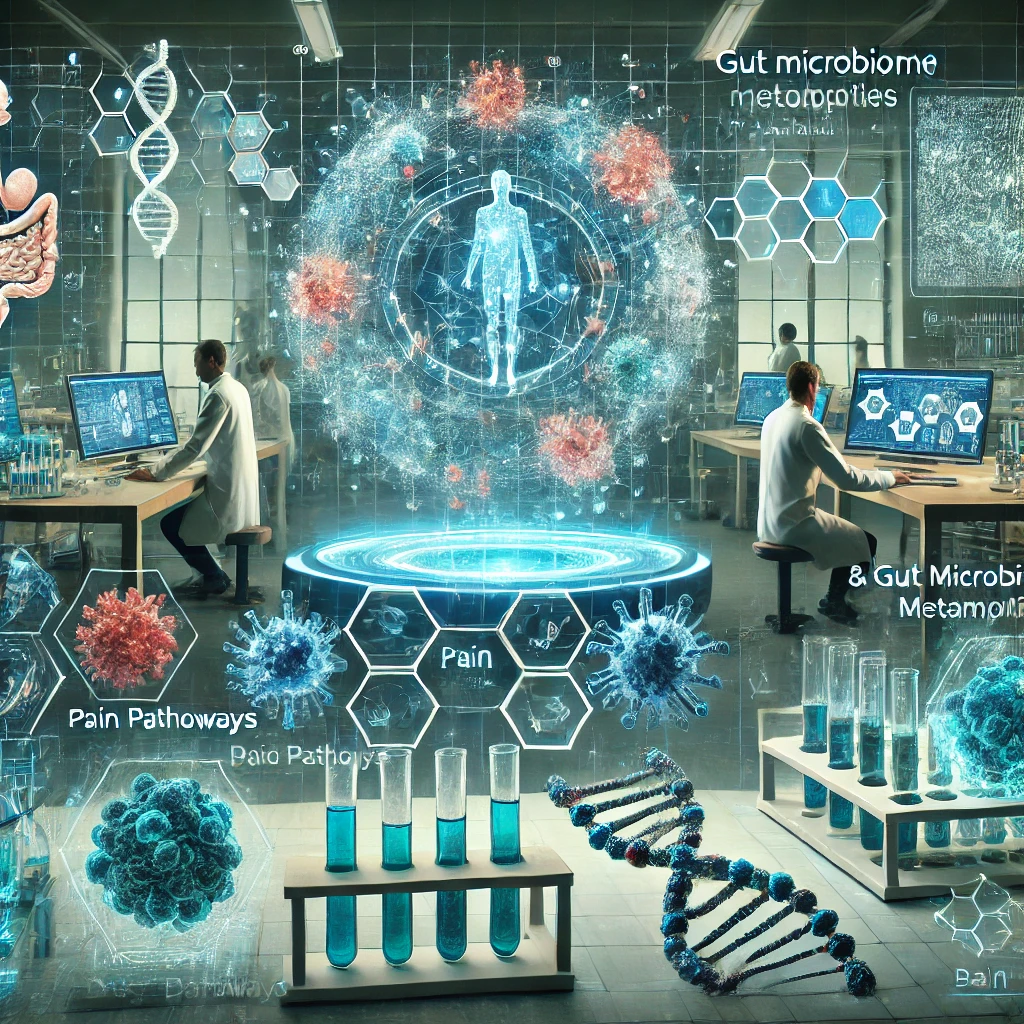
In a groundbreaking effort to tackle the opioid crisis and improve pain management, researchers at Cleveland Clinic’s Genome Center, led by Dr. Feixiong Cheng, in collaboration with IBM, are using artificial intelligence (AI) to identify non-opioid alternatives for chronic pain relief. The team has developed a deep-learning framework capable of discovering new pain management solutions by analyzing complex biological data, such as gut microbiome-derived metabolites and existing FDA-approved drugs that could be repurposed for non-addictive, non-opioid treatments.
The Opioid Crisis and the Need for Alternatives
Chronic pain affects millions of people worldwide, and for decades, opioid medications have been a primary treatment option. However, the addictive properties of opioids, along with their potential for abuse and overdose, have contributed to a public health crisis. As a result, there is a growing demand for effective pain relief options that do not carry the same risks.
Dr. Feixiong Cheng and his team at Cleveland Clinic, along with IBM’s AI technology, have taken up this challenge. By applying cutting-edge machine learning techniques, they are working to identify safe, non-addictive compounds that could revolutionize the way chronic pain is treated.
AI and Drug Discovery: A Powerful Combination
AI’s ability to process vast amounts of data and identify patterns makes it an ideal tool for drug discovery. Traditional drug development can take years and involve significant trial and error, but AI can analyze complex biological networks and suggest promising treatment options far more quickly.
In this collaboration, AI-driven deep-learning models were applied to large datasets, including the human gut microbiome—a diverse ecosystem of bacteria and other microorganisms in the digestive tract known to play a role in various bodily functions, including pain perception. The team’s AI framework sifted through this data to identify metabolites (small molecules produced by gut bacteria) that may influence the body’s pain pathways.
The AI also scanned databases of FDA-approved drugs, examining their mechanisms of action and biological effects to find candidates that could be repurposed for pain relief. This repurposing approach has the potential to accelerate the availability of non-opioid treatments, as these drugs have already undergone safety testing for other conditions.
The Role of Gut Microbiome-Derived Metabolites in Pain Management
One of the most exciting discoveries from this research is the identification of gut microbiome-derived metabolites that could play a key role in pain relief. The gut microbiome is increasingly recognized as a major player in human health, influencing everything from digestion to mental health, and now, it appears, pain management.
The AI analysis revealed several metabolites that have the potential to modulate the body’s pain pathways. These findings open up new avenues for developing non-opioid treatments based on naturally occurring compounds within the body, which could provide effective pain relief without the risk of addiction.
Dr. Cheng explained that by understanding the interactions between the gut microbiome and pain signaling in the nervous system, the team can develop novel therapeutic approaches that target these pathways. These findings could lead to safer, more sustainable pain management options for patients suffering from chronic pain conditions.
Repurposing FDA-Approved Drugs for Pain Relief
In addition to identifying gut microbiome-derived metabolites, the AI framework identified a number of existing FDA-approved drugs that could be repurposed as non-opioid pain relievers. Drug repurposing is a promising strategy because it builds on existing knowledge of a drug’s safety profile, often speeding up the time it takes to bring a new treatment to market.
The AI system analyzed the biological mechanisms of various drugs, particularly those that interact with pain-related pathways but were not originally designed for pain management. By matching these drugs with the newly discovered pain-modulating metabolites, the researchers are hopeful that they can create combinations or new uses for these medications that will provide effective pain relief without the risks associated with opioids.
A Path Toward Safer Pain Management
The work being done by Dr. Cheng, Cleveland Clinic, and IBM holds tremendous promise for the future of pain management. With AI’s ability to rapidly analyze biological data and identify potential treatments, researchers are now equipped with new tools to address the opioid crisis.
By targeting pain at the biological and molecular level, AI-driven drug discovery opens the door to innovative treatments that may be more effective, less addictive, and more aligned with individual patient needs. Dr. Cheng emphasized the importance of continued research and collaboration, stating that “we are only scratching the surface of what AI can do in the realm of pain management and drug discovery.”
The Future of AI in Medicine
The success of this collaboration between Cleveland Clinic and IBM is just one example of how AI is transforming the field of medicine. As AI technology continues to evolve, its applications in drug discovery, personalized medicine, and patient care will only expand. The hope is that AI will lead to the development of more targeted, effective, and safer therapies for a variety of conditions, including chronic pain.
For now, the research team’s findings represent a significant step forward in the quest to find non-opioid pain relief options. By harnessing the power of AI to explore previously uncharted areas of biology—like the gut microbiome—scientists are moving closer to developing breakthrough treatments that could change the lives of millions of people living with chronic pain.
As this research progresses, the medical community and patients alike are watching closely, hopeful that AI-driven solutions may soon provide the long-awaited alternatives to opioids that are both effective and safe.
