


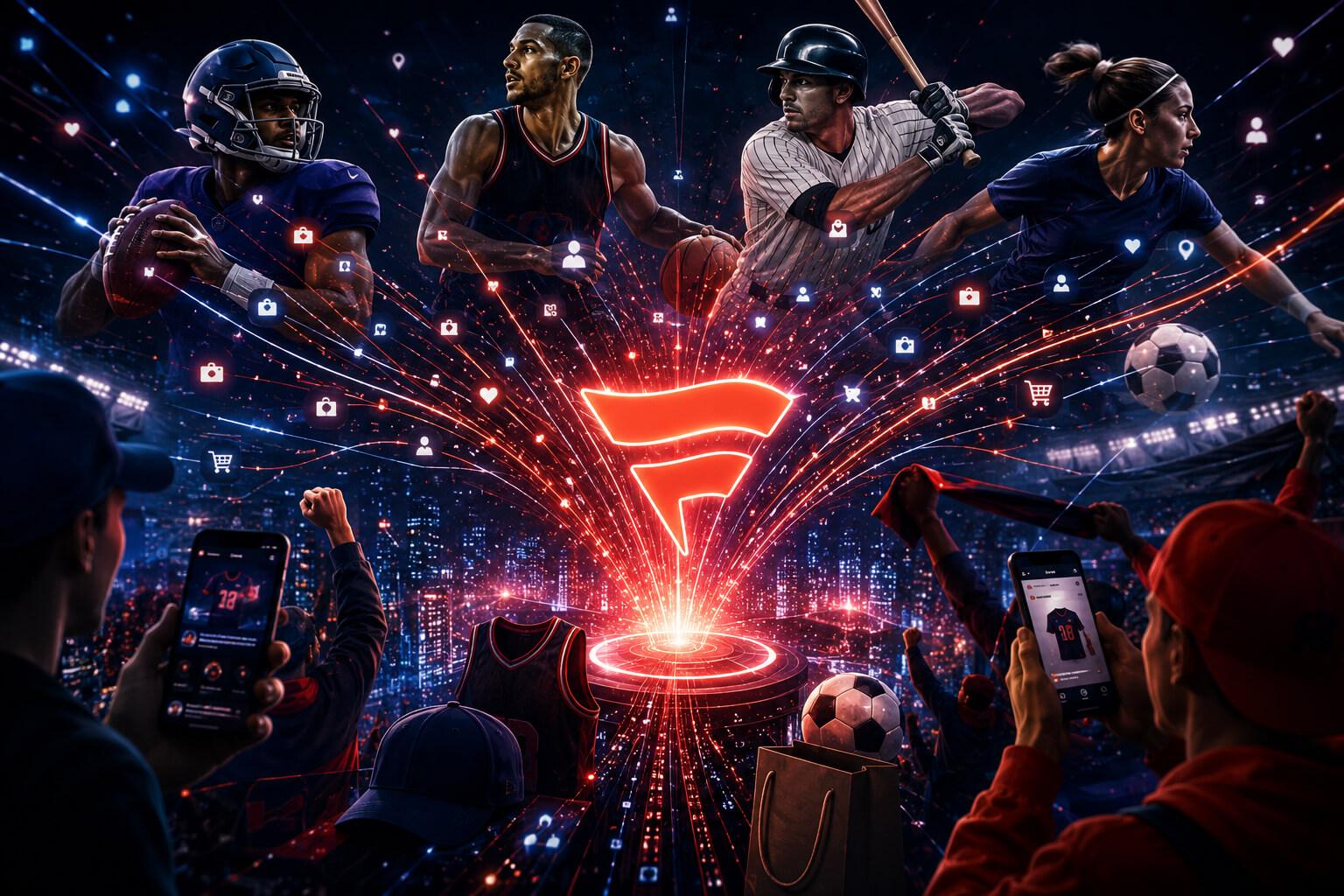
Fanatics is one of the largest and fastest growing companies in the sports digital commerce industry. One element that’s drawn growing attention is the Fanatics fan signals strategy and how it leverages data for business outcomes. Fanatics’ approach is to leverage the power of billions of fan signals each and every day. This delivers personalized experiences for its customers. In turn, it helps drive strong revenue growth.
Whereas Fanatics used to be associated primarily with licensed sports merchandise, in 2026 the company will continue evolving its business model towards a digital platform. This platform will be fueled by big data, AI, and behavioral insights. As a result, customers will get better experiences.
Fanatics Processes Over 2 Billion Daily Fan Signals
As reported, the sports commerce giant currently monitors over 2 billion daily fan signals within its digital ecosystem. These signals include customer purchase history, betting activity, trading cards, sports merchandise, collectibles, loyalty rewards, and participation in events.
The company utilizes all of this big data to provide better experiences to sports fans globally. In particular, if you buy a specific team’s or athlete’s jersey, then the platform may suggest betting options or related collectibles in the future.
This type of strategy creates a feedback loop. Each engagement helps improve customer experience and leads to higher sales in the long run.
How Fanatics Uses Big Data and AI for Personalization
The Fanatics strategy for growth in sports commerce involves using big data to personalize experiences for customers in different ways.
The company currently has several major businesses that include licensed sports merchandise, collectible cards, gaming and betting operations, loyalty and reward programs, and media/entertainment offerings.
Fanatics CEO Michael Rubin mentioned that the platform might reach revenue between $30 and $50 billion in about 10 years. This growth will happen provided that the current successful trajectory is maintained.
Fanatics currently makes about:
- $7 billion in merchandise
- $4 billion in collectibles/trading cards
- $2 billion in gaming and betting
Fanatics Creates A Vertical Sports Fan Ecosystem
One of the company’s strengths is vertical integration. Unlike other digital retailers within the sports commerce space, Fanatics owns multiple verticals from merchandise manufacturing to digital engagement strategies. It even hosts events.
Also, the company continues expanding into adjacent spaces via acquisitions and partnerships such as:
- Topps trading cards
- Mitchell & Ness apparel brand
- PointsBet‘s U.S. sportsbook assets
- Fanatics Collect marketplace
- Fanatics Studios media division
This integrated ecosystem allows Fanatics to promote its various products and services at multiple engagement points of the sports fan journey.
Loyalty Programs and FanCash Increase Customer Engagement
The platform focuses more on loyalty-based commerce than any other player in the space. As a result, according to reports, Fanatics issued nearly $1 billion in FanCash credits to date. Most of these credits were eventually claimed by customers.
In addition, the company launched its Fanatics ONE program back in 2025. This initiative aimed to connect fans, merchandise, collectibles, and sports betting.
All this helps Fanatics gather even more useful engagement data. At the same time, it increases loyalty and customer retention in different segments of its business.
Gaming and Media Offerings Drive Future Growth
Fanatics is actively investing in the future of sports commerce, betting, and entertainment media content. The platform plans to earn significant revenues from the gaming vertical in the following years. In addition, it spends billions on the development of its online sportsbook.
And the launch of its own Fanatics Studios in 2026 is also an indication of the company’s intentions for sports media content.
The platform is seeking to keep fans engaged for the long term by bringing together commerce, betting and entertainment under one roof.
Conclusion
Overall, the Fanatics strategy reflects trends typical for the modern digital economy. The company does not categorize sports merchandise, betting, media content, and collectibles into separate industries. Instead, it is trying to tie all of those together into one fan experience powered by AI and behavioral analysis.
As competition heats up, the Fanatics strategy of collecting huge amounts of engagement data will likely give it a competitive edge in the future.
For more Breaking AI news visit: https://breakingai.news
