


Key Takeaways
- MBZUAI is developing an AI system to assist researchers by summarizing and extracting insights from academic papers.
- This tool aims to help academics keep up with the increasing volume of scientific literature across various fields.
- AI-powered research assistants can speed up discovery, reduce duplicated efforts, and make research more accessible.
- The project confirms ongoing work on AI tools for scientific research, but release timelines and performance benchmarks remain unclear.
- Trust in AI-generated summaries will be crucial for adoption; accuracy must be proven for researchers to rely on these tools.
What happened
Mohamed bin Zayed University of Artificial Intelligence (MBZUAI) is developing a new AI system to help researchers manage the growing flood of academic papers. The tool scans large volumes of scientific literature, summarizes key findings, and extracts relevant insights.
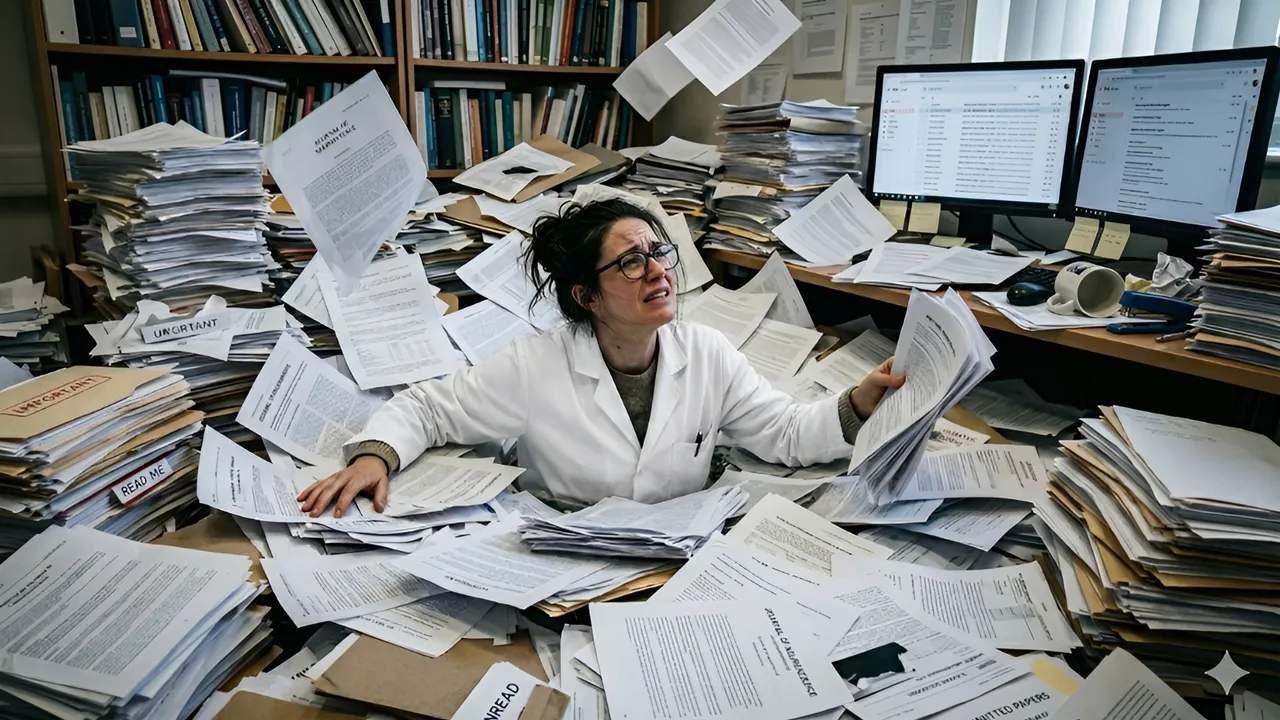
With research output accelerating across fields like AI, medicine, and climate science, many academics are struggling to keep up. MBZUAI’s solution focuses on making it easier to quickly understand what matters without reading every paper in full.
Why it matters
The rise of AI-powered research assistants reflects a broader shift in how people consume knowledge. Instead of manually reviewing dozens or hundreds of papers, researchers can rely on AI to highlight the most important information.
As a result, this could speed up discovery cycles, reduce duplicated work, and make cutting-edge research more accessible. In addition, it levels the playing field by giving smaller teams tools to compete with well-funded institutions that have more resources for literature review.
What’s confirmed
- MBZUAI is actively working on AI tools for scientific research support.
- The system focuses on summarizing and extracting insights from academic papers.
- It is designed to handle large-scale research data efficiently.
- The goal is to improve how researchers consume and process information.
What’s unclear
- A public release timeline for the tool.
- Benchmark performance compared to existing AI research assistants.
- Integration with major academic publishers or databases.
- How much human validation is required for accurate outputs.
Our take
This move highlights a growing reality: the bottleneck in research is no longer data generation—it’s comprehension. Tools like MBZUAI’s could become essential infrastructure for modern science, much like search engines did for the internet.
However, the real test will be trust. If researchers can’t rely on the accuracy and nuance of AI-generated summaries, adoption will stall. The winners in this space won’t just process information quickly—they’ll prove they can do it reliably.
Source: https://www.middleeastainews.com/p/mbzuai-builds-ai-to-save-researchers
