


Key Takeaways
- Egypt launched its first locally built industrial AI system, marking a significant milestone for the region.
- This AI focuses on improving factory efficiency and decision-making through real-time data analysis.
- Developed locally, the system addresses regional challenges and is tailored for local manufacturing environments.
- The AI can benefit various sectors by uncovering patterns, streamlining workflows, and lowering costs.
- Egypt’s initiative indicates a shift towards technological independence, creating opportunities in tech-driven jobs and showcasing new regional players in the AI race.
Egypt is stepping into industrial AI in a big way with the launch of its first locally built system designed for real-world factory use. It’s a meaningful moment, not just for Egypt, but for the wider Middle East and North Africa region, where homegrown AI is starting to take shape and prove its value.
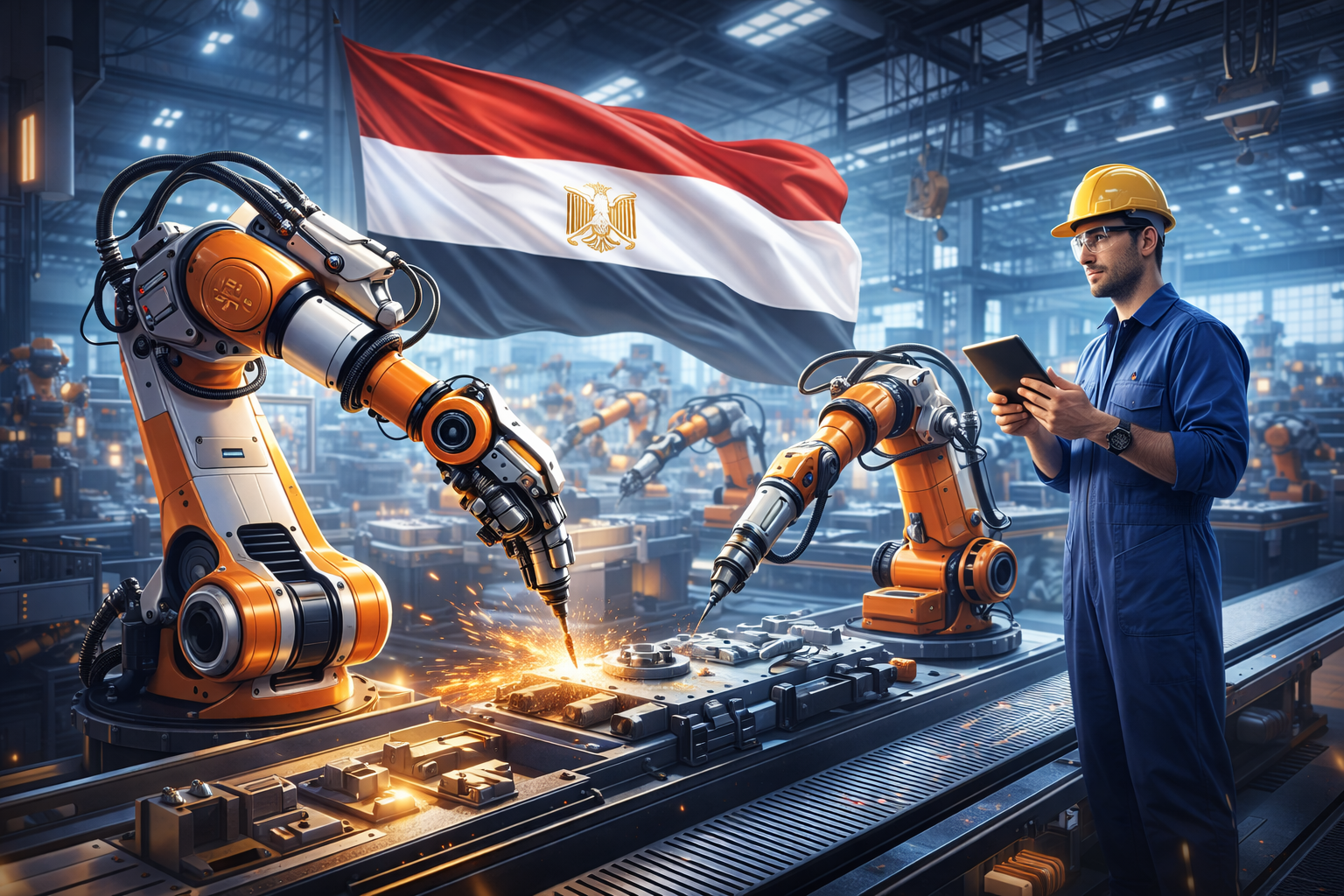
This isn’t your typical all-purpose AI. It’s built specifically for industrial settings, working directly on factory floors. The idea is straightforward: boost efficiency, cut down on downtime, and help businesses make better decisions using real-time data. Whether it’s keeping an eye on machines or spotting potential failures before they happen, the focus is on practical, everyday impact.
What really sets this apart is its local development. Instead of relying on imported technology, Egypt is building solutions tailored to its own industries and infrastructure. This approach makes it better equipped to handle regional challenges, from supply chain issues to the unique conditions in local manufacturing environments.
The system can support multiple sectors, including manufacturing, energy, and logistics. It processes large volumes of operational data to uncover patterns, streamline workflows, and reduce waste. Over time, this could help businesses cut costs and boost productivity.
There’s also a broader shift happening here. Projects like this point to growing technological independence in the region. As countries build their own AI tools, they gain more control over their data, systems, and future innovation. It’s not just about improving operations, it’s about building long-term strength in tech.
For most people, the effects might not be obvious right away, but they still matter. More efficient industries can lead to lower prices, more reliable supply chains, and new opportunities in tech-driven jobs. It also creates space for local talent to play a bigger role in shaping what comes next.
Egypt’s move shows that the AI race is expanding. It’s no longer just dominated by the usual global leaders, new players are stepping in, bringing solutions that are grounded in real-world needs.
