


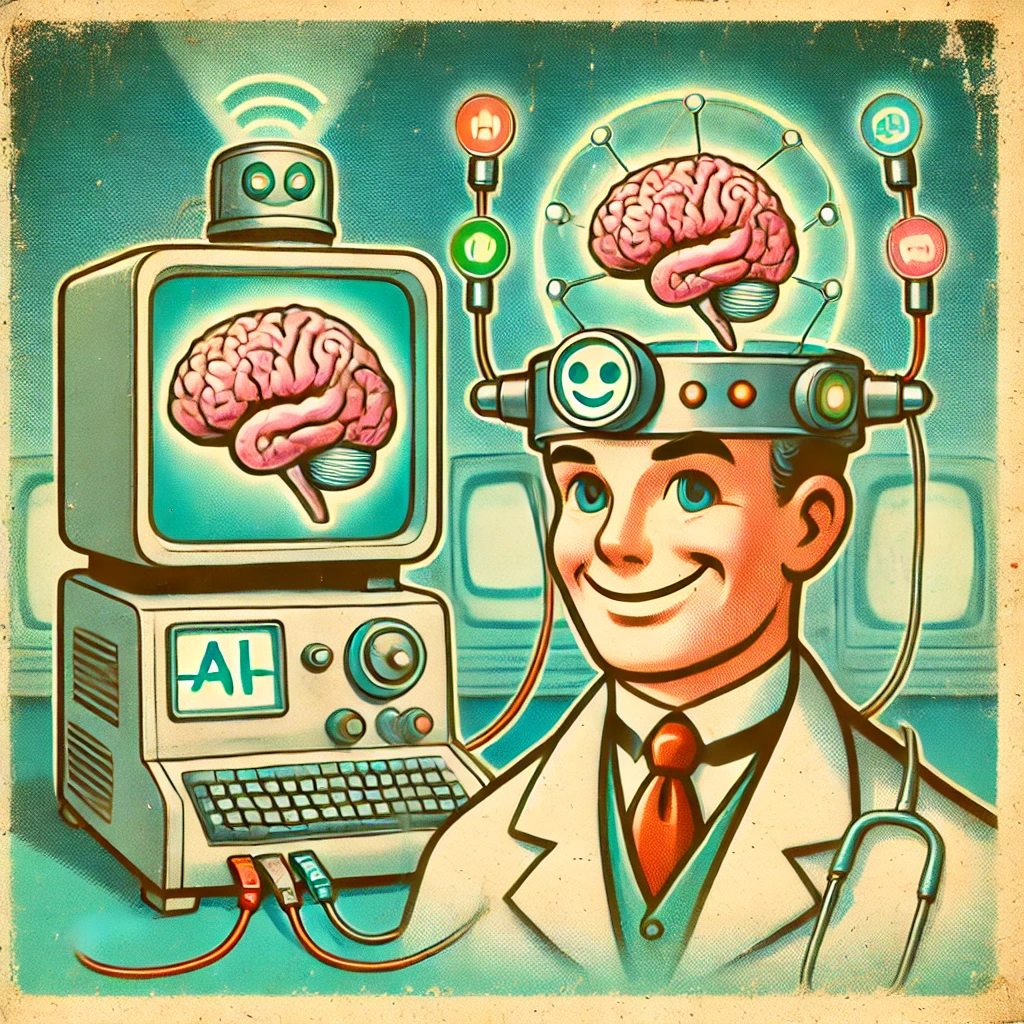
Artificial intelligence (AI) is on the cusp of revolutionizing brain health monitoring, offering the potential to detect early signs of dementia long before traditional methods can. With aging populations around the world, the race is on to find effective tools for early diagnosis, and AI’s ability to analyze brain data quickly and accurately may be the breakthrough needed to combat this growing health crisis.
The Promise of AI in Brain Health Monitoring
AI is already being integrated into healthcare systems, and its role in neurology is growing rapidly. Researchers and healthcare providers are now leveraging AI to monitor brain activity, analyze cognitive patterns, and detect early signs of neurodegenerative diseases like Alzheimer’s and other forms of dementia.
By processing vast amounts of data from brain scans, cognitive tests, and even wearable devices, AI systems can identify subtle patterns that human doctors may miss. This early detection could be critical for delaying the progression of dementia, offering patients better chances of maintaining their quality of life.
“AI can process complex neurological data at a speed and accuracy that’s impossible for humans,” said Dr. Emily Hughes, a neurologist at the Cleveland Clinic. “By identifying early-stage dementia sooner, we can begin interventions earlier, potentially slowing its progression and improving outcomes for patients.”
How AI Works in Early Detection
Traditional diagnostic tools for dementia rely on symptoms becoming apparent and cognitive tests performed by doctors, which can be subjective and often identify the disease too late. However, AI-powered tools are trained to recognize the smallest abnormalities in brain function and structure.
Using machine learning algorithms, AI systems are capable of analyzing brain imaging data such as MRIs and CT scans to detect minute changes in brain size, shape, and activity. They can also analyze speech patterns, eye movements, and even genetic data to predict the onset of cognitive decline.
One promising area is the use of AI with electroencephalograms (EEGs) to monitor brain wave activity. AI can scan EEG data in real-time, identifying atypical neural oscillations that could signal the early stages of neurodegenerative disorders. This non-invasive method could provide an affordable and accessible way to monitor brain health continuously over time.
“AI excels at pattern recognition, which is key in identifying early changes in brain function,” said Dr. John Patel, a neuroinformatics specialist. “By comparing an individual’s brain data over time, AI can flag subtle shifts that may indicate the early onset of dementia.”
AI in Wearable Devices
Wearable technology could take AI-based brain health monitoring to a new level. Smartwatches and headbands equipped with AI-powered sensors are being developed to track real-time brain activity and cognitive performance. These devices could provide continuous monitoring, capturing data even before patients notice any symptoms of cognitive decline.
AI-powered apps could soon be used to administer cognitive tests remotely, using interactive tasks to monitor memory, attention, and problem-solving skills. By combining this data with brain imaging or EEG results, AI systems can build a comprehensive profile of a person’s cognitive health, detecting any deviations from the norm.
One company, Neurotrack, is already exploring AI-powered eye-tracking technology to measure cognitive decline. Their system can detect subtle changes in how the eyes track moving objects—an early indicator of dementia. AI then analyzes these changes over time, providing early warnings that can prompt further investigation by medical professionals.
The Impact of Early Detection
The potential benefits of early dementia detection through AI are profound. Dementia is a progressive disease that can’t yet be cured, but early diagnosis allows for interventions that may slow its progression. Patients who receive an early diagnosis have more time to plan for the future, participate in clinical trials, and explore lifestyle changes that may preserve cognitive function.
Currently, most patients don’t receive a dementia diagnosis until their symptoms are advanced, at which point treatment options are limited. According to the World Health Organization, up to 75% of people living with dementia worldwide are undiagnosed. AI could drastically reduce this figure, transforming the way we approach dementia care.
“This is a critical step toward changing the narrative on dementia,” said Dr. Margaret Lawson, a geriatric specialist. “If we can detect dementia early, we can intervene with treatments and therapies that may help patients live fuller lives for longer. AI is giving us a chance to make that happen.”
Challenges and Ethical Considerations
While AI holds great promise, there are still challenges to overcome. One of the primary concerns is data privacy. The sensitive nature of brain health data requires robust security measures to prevent misuse or unauthorized access. Researchers and healthcare providers must ensure that AI systems comply with strict data protection regulations to safeguard patient information.
Additionally, questions remain about how accessible these AI-driven tools will be. Ensuring that all patients, regardless of socioeconomic status, have access to advanced AI brain monitoring technologies will be crucial in preventing disparities in care.
Ethical concerns also arise around the accuracy of AI predictions. False positives or negatives in early dementia diagnosis could cause undue stress or missed opportunities for treatment. Ensuring that AI systems are accurate and reliable will be essential to their widespread adoption in clinical settings.
The Future of Brain Health
Despite these challenges, the future of AI in brain health monitoring looks promising. AI-driven tools are already transforming how we approach neurological care, and as the technology continues to evolve, the potential to catch dementia in its earliest stages grows stronger.
The ultimate goal is not only to diagnose dementia earlier but to eventually develop preventive measures and treatments that could delay or even prevent cognitive decline altogether. AI’s role in this future will be indispensable, pushing the boundaries of what is possible in brain health monitoring and transforming the lives of millions at risk of dementia.
