


Gísli Brynjolfsson says airlines need to build brands people already know, remember and feel something about before they turn to AI for travel advice
LISBON, Portugal, 17 September 2026 – The battle for visibility in AI-powered travel search begins long before a traveller types a prompt, according to Icelandair’s Director of Global Marketing, Gísli Brynjolfsson. His view is that airlines must build brands people already know, remember and feel something about if they want to be considered when customers turn to AI for travel advice.
Brynjolfsson outlined the approach during a World Aviation Festival webinar on 7 September, titled “The secret behind Icelandair’s viral marketing campaigns”, ahead of his appearance at the event’s Marketing Summit in Lisbon next month.
“Branding has never been as important as it is today because, at least on our side, no one really understands how AI search will develop. Going back to the basics and truly believing that the brand is the strongest thing that you can have in your toolkit is very relevant at the moment,” he said.
For Icelandair, the priority is therefore not simply to optimise for how AI tools might work, but to build a distinctive brand that people already recognise and have an emotional connection with before they seek a recommendation.
Achieving that requires airlines to compete for attention with everything else appearing in customers’ feeds – including user-generated content – rather than simply with other carriers, he argued.
“The biggest challenge today is getting attention. You can’t just put out another destination with a price, that’s not going to cut it. You have to be way more interesting,” he said.
This thinking informed two recent campaigns from Icelandair that explored the growing uncertainty around what people see online and whether they can trust it. Rather than positioning AI simply as fake and Icelandair as real, the work reflects a broader shift in audience behaviour. People are increasingly surrounded by polished, perfect and generated content, creating a growing desire for experiences and stories that feel genuine and human.
Brynjolfsson traced the first idea to a photograph of a volcanic eruption beneath the Northern Lights, which prompted Facebook users to debate whether the image was genuine. The reaction inspired a video campaign featuring a sceptic who refuses to believe Iceland’s landscapes are real.
“There’s too much fake, AI-generated content out there, and people are just becoming tired of it. They’re craving something authentic, something that’s genuinely real, and we felt that this was a very natural space for Icelandair to play in,” he said.
The same insight informed Icelandair’s ‘Really Bad Photographer’ campaign, which invited ordinary people who considered themselves terrible photographers to apply for the chance to capture Iceland’s scenery. The idea was to prove that Iceland does not need perfection to look extraordinary.
Alongside creative ideas, technology remains integral to Icelandair’s marketing approach. The airline uses search behaviour, website activity, booking data, social listening and brand tracking to understand demand and identify potential audiences. Brynjolfsson believes these tools should help marketers understand people better and strengthen the human connection with the brand. “Technology should make marketing more human, not less,” he said.
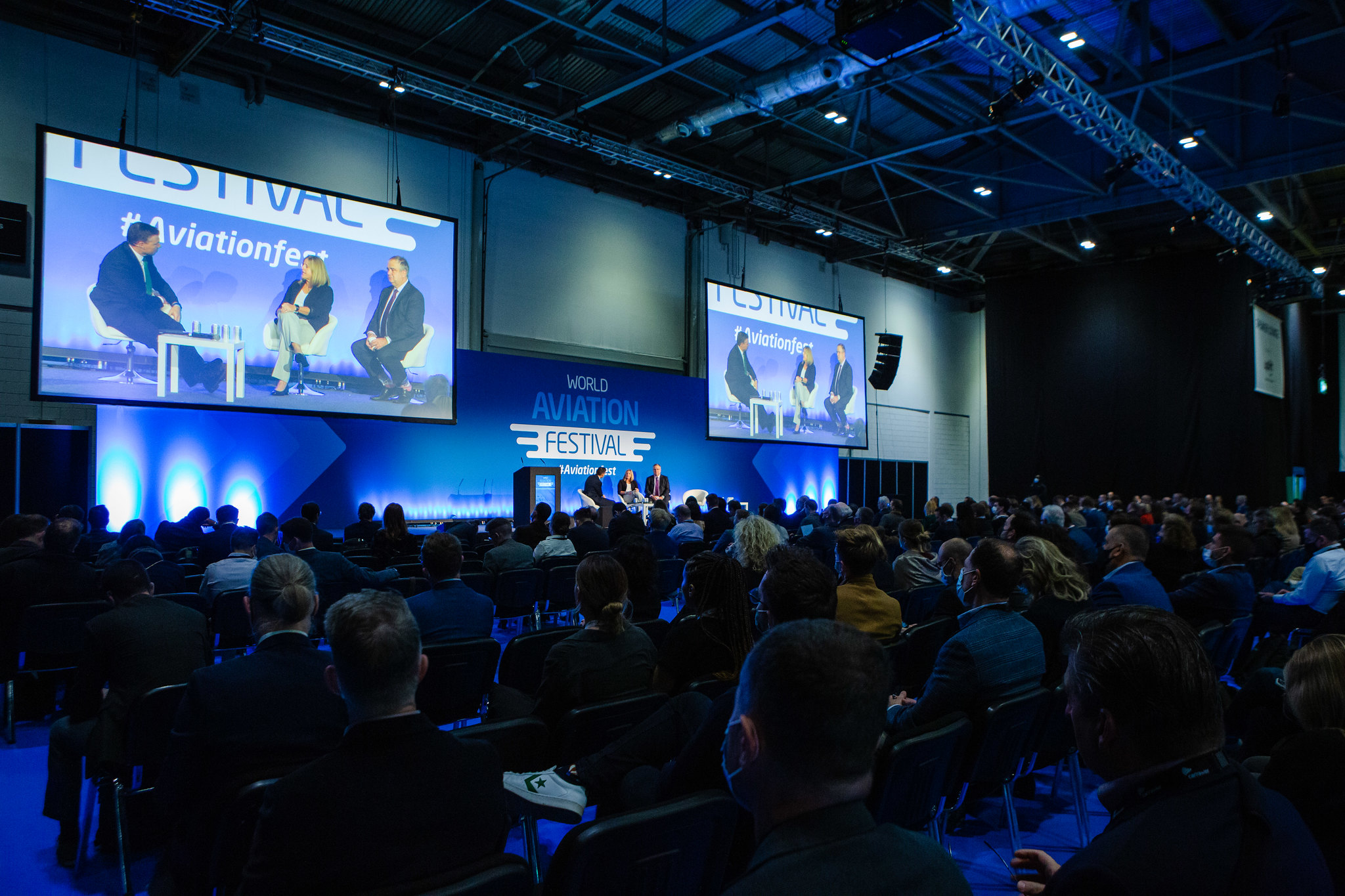
Brynjolfsson will share more about Icelandair’s strategy at World Aviation Festival’s Marketing Summit next month. The event takes place from 13-15 October 2026 in Lisbon, bringing together airline and airport leaders to discuss developments across marketing, customer experience, technology, and more.
About World Aviation Festival
World Aviation Festival is the premier aviation technology conference and exhibition. Bringing together the world’s airlines, airports, and their top executives in charge of software, services, marketing, and distribution, it is the platform where the future of aviation is shaped.
The event returns to FIL in Lisbon from 13-15 October 2026, bringing together more than 4,500 attendees and 600 speakers over three days.
For more information, visit www.terrapinn.com/conference/
