


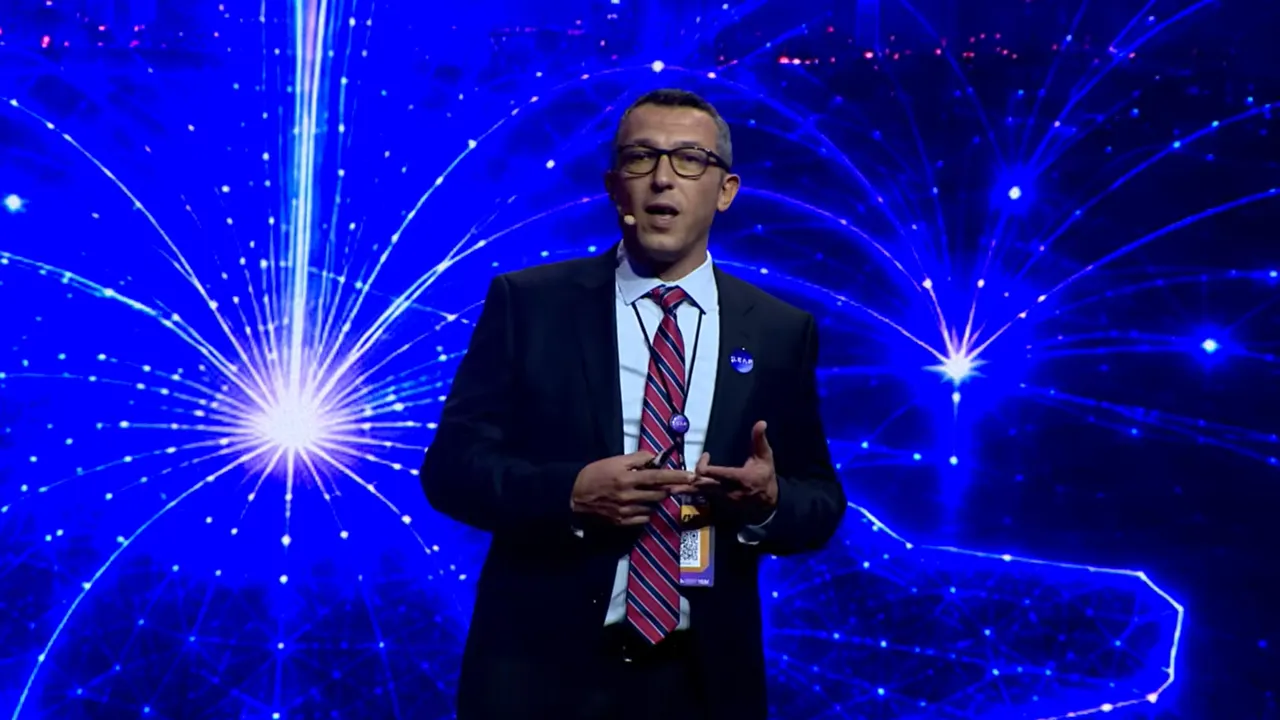
Nokia has opened its first research and development centre in Saudi Arabia. The Nokia Riyadh AI R&D centre marks an exciting milestone for the company in the region. The new Riyadh facility has a clear target: smarter telecom networks powered by artificial intelligence.
The centre will develop AI software for network automation and orchestration. Nokia wants networks that can configure themselves, detect problems, improve performance, and reduce energy use. Less manual intervention is part of the idea.
There is a bigger Saudi angle here too. Nokia plans to develop software in Riyadh that can eventually reach customers worldwide. That fits Saudi Arabia’s push to move beyond importing technology and start exporting more of it.
Nokia Is Building AI That Lets Networks Run More of Themselves
The Riyadh centre will focus on software that gives telecom networks greater autonomy. AI will help networks configure themselves and respond to changing conditions. It can also identify faults and support self-healing functions. Performance optimization and lower energy consumption are other priorities. Nokia sees this automation as important as networks become larger and more complex.
Self-Healing Networks Are a Major Part of the Plan
Network problems normally require monitoring and intervention from engineering teams. Nokia wants AI to handle more of that work automatically. Its Riyadh researchers will develop systems that detect issues and adjust network operations. Some problems could then be corrected before customers notice them. This could improve reliability while reducing pressure on network operations teams.
The Centre Will Focus on SMO, SON, Autopilot and rApps
Several technologies sit at the centre of Nokia’s Riyadh research program. These include Service Management and Orchestration, known as SMO. Self-Organizing Networks, or SON, are another focus. Nokia will also work on Autopilot and rApps for automation and energy efficiency. Together, these technologies can automate more decisions across telecom infrastructure.
AI Could Help Telecom Operators Cut Energy Consumption
Network automation is not only about speed or reliability. Energy efficiency is another important target. Telecom networks consume significant power as data traffic continues to rise. AI can analyze network conditions and adjust resources when demand changes. That means infrastructure does not always need to operate at maximum capacity. Nokia’s Riyadh teams will develop rApps and automation tools with energy efficiency built into their design.
Nokia Is Already Looking Beyond 5G
The Riyadh centre isn’t being built only for today’s telecom networks. Nokia says researchers will also explore AI-native 6G technologies. That puts the Saudi operation closer to the early development of next-generation connectivity. AI could become much more deeply integrated into future network architecture. Rather than adding intelligence later, 6G systems could be designed around AI from the beginning.
Saudi Engineers Could Help Shape Future Network Technology
Nokia plans to create specialized engineering and research roles in Saudi Arabia. It will also provide advanced training programs and technical boot camps. AI and automation certifications are part of the plan. This gives Saudi engineers a route into advanced telecom research. More importantly, some of that work will connect with Nokia’s wider global research network.
Made-in-Saudi Software Is Meant to Travel Beyond the Kingdom
One of the more interesting parts of Nokia’s strategy is what happens after development. Software created at the Riyadh centre won’t necessarily stay in Saudi Arabia. Nokia intends to make those innovations available to customers in other markets. Saudi telecom operators can provide an early environment for deployment. Successful technologies could then move into Nokia’s international customer base.
Nokia Wants Saudi Arabia to Become Part of Its Global R&D Network
The Riyadh centre will not operate as an isolated development office. Nokia plans to connect its Saudi researchers with its broader international R&D ecosystem. That gives local teams access to expertise from other research locations. It also creates a path for Saudi-developed technology to move into global products. The model is more ambitious than simply adapting existing Nokia software for local customers.
Universities and Research Institutions Could Join the Work
Nokia also plans to use a co-innovation model in Saudi Arabia. The Riyadh centre is expected to work with universities and research institutions. Industrial partners could also become involved in developing practical use cases. That approach gives Nokia access to local research and talent. Saudi institutions, meanwhile, gain a direct link to commercial telecom development.
The Riyadh Centre Supports Saudi Vision 2030
Saudi Arabia has been investing heavily in artificial intelligence and digital infrastructure. Nokia’s new centre fits directly into that strategy. Saudi Vision 2030 calls for stronger local technology capabilities and a more diversified economy. Advanced research is becoming part of that effort. The goal isn’t simply to attract foreign technology companies. Saudi Arabia also wants more intellectual property and technical expertise developed inside the country.
Nokia’s Saudi Investment Goes Beyond Selling Telecom Hardware
For Nokia, the move marks a deeper commitment to the Saudi market. Telecom vendors traditionally make much of their revenue from network equipment and related services. A local R&D operation changes that relationship. Engineers in Riyadh can develop technology alongside Saudi operators and institutions. Nokia can then turn those ideas into products for other markets. Saudi Arabia becomes part of the development process rather than simply the destination for finished technology.
AI Networks Are Becoming Critical Infrastructure
AI workloads are placing heavier demands on communications infrastructure. Data needs to move quickly between devices, data centres, cloud platforms, and AI applications. Nokia argues that networks themselves must therefore become more intelligent. Its LEAP 2026 showcase includes autonomous networks, AI-native RAN, data centre automation, and next-generation optical transport. The Riyadh R&D centre gives the company a local base for developing some of those technologies.
Saudi Arabia Is Moving From AI Buyer to AI Builder
The Nokia announcement fits a pattern that is becoming harder to miss in Saudi Arabia. The Kingdom still attracts technology from international companies. Increasingly, though, it wants that technology developed locally too.
Nokia’s Riyadh centre is a practical example. Saudi engineers will work on autonomous networks, AI software, and eventually 6G technologies. Some of those products could then be exported.
That’s a different relationship with global technology companies.
The bigger story isn’t simply that Nokia opened another office. It’s that advanced telecom software carrying a “Made in Saudi” label could eventually run networks far beyond Saudi Arabia.
Sources
Middle East AI News — Nokia opens Riyadh R&D centre for AI network automation
https://www.middleeastainews.com/p/nokia-opens-riyadh-r-and-d-centre
Nokia — Nokia opens new research and development center in Saudi Arabia to accelerate AI-powered network automation
https://www.nokia.com/newsroom/nokia-opens-new-research-and-development-center-in-saudi-arabia-to-accelerate-ai-powered-network-automation/
