


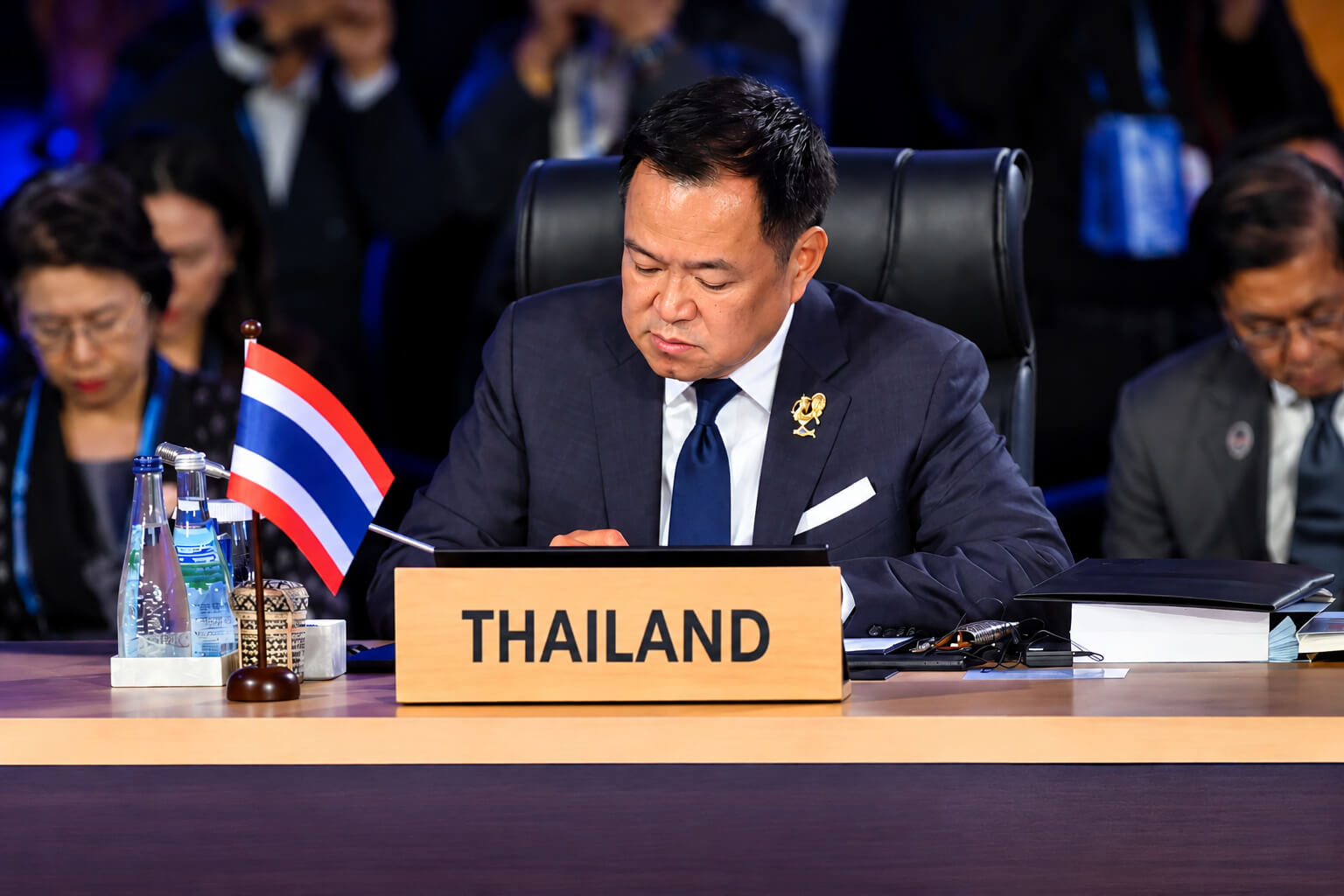
Thailand is pushing Southeast Asia to take greater control of its artificial intelligence future instead of relying heavily on the technological priorities of global powers.
During the 49th ASEAN Summit in Manila on November 15, 2026, Thai Prime Minister Anutin Charnvirakul called for an independent ASEAN AI strategy that reflects the region’s economic interests, technological ambitions and long-term development goals.
The proposal comes as artificial intelligence becomes an increasingly important factor in global competition. Governments are investing heavily in AI infrastructure, digital services and emerging technologies, while concerns over technological dependence continue to grow.
For Thailand, ASEAN needs a coordinated approach that allows member countries to benefit from AI innovation without becoming caught between competing international powers.
Thailand Wants ASEAN to Shape Its Own AI Future
Thailand’s proposal highlights the growing importance of technological independence in Southeast Asia. Anutin encouraged ASEAN leaders to develop a collective artificial intelligence strategy that prioritizes regional interests rather than following the policies of major global technology powers. The idea is to give Southeast Asian countries greater influence over how AI technologies are developed, adopted and governed within the region. With AI increasingly affecting industries, public services and national economies, Thailand believes stronger regional cooperation could help ASEAN maintain its competitiveness while protecting its strategic interests. However, developing a unified approach will not be straightforward, particularly because member countries have different levels of digital infrastructure, investment capacity and technological readiness.
Digital Trade Takes Center Stage in ASEAN’s Economic Plans
Thailand also emphasized the importance of strengthening digital trade through the ASEAN Digital Economy Framework Agreement (DEFA), an initiative designed to improve economic integration and cross-border digital transactions. The agreement aims to reduce regulatory barriers, encourage digital innovation and create a more connected marketplace for businesses operating across Southeast Asia. Anutin welcomed progress on the agreement and urged member countries to accelerate implementation alongside improvements to the ASEAN Trade in Goods Agreement. For technology companies, startups and digital service providers, a more integrated regional economy could create opportunities to expand into neighboring markets. Common approaches to electronic transactions, digital payments and data-related regulations could also help businesses operate more efficiently across ASEAN.
Energy Security Could Influence Southeast Asia’s AI Expansion
Energy cooperation emerged as another important priority during Thailand’s discussions at the summit. Anutin called for further development of the ASEAN Power Grid, which aims to improve electricity connectivity and facilitate cross-border energy trading among member countries. Thailand particularly supports expanding access to renewable energy, including solar-generated electricity, as part of the region’s long-term energy security plans. Although the initiative addresses broader economic and infrastructure needs, reliable electricity supplies are becoming increasingly relevant to artificial intelligence development. AI data centers and advanced computing facilities require significant amounts of power, making energy availability an important consideration for technology investors. Stronger regional electricity networks could eventually help Southeast Asian economies support expanding digital infrastructure while managing growing energy demand.
Thailand Calls for Stronger ASEAN Cooperation Against Cybercrime
Cybersecurity was another major concern raised by Thailand, particularly the increasing threat posed by online scams and cross-border criminal networks. Anutin proposed strengthening cooperation among national authorities through a regional network that would support intelligence sharing, coordinated investigations and law enforcement activities. Online fraud has become a serious challenge for Southeast Asian governments as digital financial services and internet-based transactions continue to expand. Criminal groups frequently operate across national borders, making isolated enforcement efforts less effective. Thailand’s proposed approach seeks to improve communication between responsible agencies and encourage a more coordinated response to cybercrime. Stronger cybersecurity cooperation could also help protect consumers and businesses while supporting confidence in ASEAN’s growing digital economy.
ASEAN’s Technology Ambitions Go Beyond Artificial Intelligence
Thailand’s vision for ASEAN extends beyond artificial intelligence and digital trade. During the summit, Anutin outlined priorities centered on building a united, resilient and people-focused regional community. These include strengthening cooperation on public health emergencies, environmental protection, cross-border pollution and disaster preparedness. Thailand also reaffirmed support for regional health initiatives, including the ASEAN Centre for Public Health Emergencies and Emerging Diseases. Such efforts reflect the broader challenges Southeast Asian countries face as they pursue economic modernization. While emerging technologies could support productivity and public services, governments must also address infrastructure gaps, environmental risks and social concerns. Thailand’s position suggests that technological progress should form part of a wider regional development strategy rather than operate as a separate policy objective.
An Independent ASEAN AI Strategy Could Strengthen Regional Competitiveness
Developing an independent AI strategy could give Southeast Asia a stronger position in international discussions about artificial intelligence governance, investment and technology standards. ASEAN represents a diverse collection of economies, each with different strengths in manufacturing, digital services, financial technology and emerging industries. A coordinated strategy could help member countries identify shared priorities, encourage research partnerships and improve access to AI-related opportunities. It may also support efforts to reduce technological dependence by promoting regional capabilities and cooperation. Still, the proposal remains an initiative put forward by Thailand rather than a fully adopted ASEAN policy. Member governments would need to agree on practical objectives, governance arrangements and implementation measures before a common strategy could take shape.
What Thailand’s AI Proposal Means for ASEAN’s Digital Future
Thailand’s call for an independent ASEAN AI strategy reflects a wider shift in how Southeast Asian governments view emerging technologies. Artificial intelligence is no longer simply a tool for improving business operations or automating everyday tasks. It is becoming closely connected to economic security, international influence and long-term competitiveness. For ASEAN, the challenge is finding ways to cooperate without limiting the flexibility of individual member countries. Thailand’s proposal could encourage deeper discussions about regional AI governance, digital infrastructure and technological independence as ASEAN approaches its 60th anniversary in 2027. Whether those discussions lead to a formal strategy remains uncertain, but the message from Thailand is clear: Southeast Asia should have a meaningful role in determining its own technological future.
Sources
- The Nation Thailand – Thailand’s Proposals at the 49th ASEAN Summit
- Thairath English – Thailand’s Vision at the 49th ASEAN Summit
- The Nation Thailand – Thailand’s Role in Advancing ASEAN Digital Trade
