

Close Menu
    What's Hot
    Industry Applications

    Shield AI and LUCAS drone program with AI Swarming Technology

    By Art RyanMay 20, 20260

    Shield AI has been selected to supply its latest Hivemind autonomy software to the U.S.…

    Acceldata Launches Autonomous Data AI Platform for Agentic AI

    May 20, 2026

    Verdane and ETERNO Scale AI Healthcare Operations in Germany

    May 20, 2026

    FANUC and Google Partner to Advance Physical AI in Robotics

    May 20, 2026
    Facebook X (Twitter) Instagram
    Facebook X (Twitter) Instagram
    Breaking AI News
    Wednesday, May 20
    • Home
    • Events
    • Videos
      • Machine Can Think Summit 2026
      • Step Dubai Conference 2026
    • Technology & Innovation

      Shield AI and LUCAS drone program with AI Swarming Technology

      May 20, 2026

      Acceldata Launches Autonomous Data AI Platform for Agentic AI

      May 20, 2026

      Verdane and ETERNO Scale AI Healthcare Operations in Germany

      May 20, 2026

      FANUC and Google Partner to Advance Physical AI in Robotics

      May 20, 2026

      How AI is speeding up nuclear energy deployment and cutting costs

      May 20, 2026
    • Business & Marketing

      Verdane and ETERNO Scale AI Healthcare Operations in Germany

      May 20, 2026

      Google and Blackstone $5B AI Cloud Venture to Rival CoreWeave

      May 20, 2026

      Moment Raises $78M to Revolutionize Wealth Management

      May 20, 2026

      Dubai Holding Partners With Microsoft to Accelerate AI Adoption

      May 19, 2026

      Dust Raises $40M Series B to Scale AI Enterprise Workspaces

      May 19, 2026
    • Industry Applications

      Shield AI and LUCAS drone program with AI Swarming Technology

      May 20, 2026

      Acceldata Launches Autonomous Data AI Platform for Agentic AI

      May 20, 2026

      Verdane and ETERNO Scale AI Healthcare Operations in Germany

      May 20, 2026

      FANUC and Google Partner to Advance Physical AI in Robotics

      May 20, 2026

      How AI is speeding up nuclear energy deployment and cutting costs

      May 20, 2026
    • Trends & Insights

      Google AI Studio Gets Major AI Upgrade at Google I/O 2026

      May 20, 2026

      Google I/O 2026: Sundar Pichai Announces Agentic Gemini Era

      May 20, 2026

      NextEra Dominion $67B Merger Shows AI Power Demand

      May 19, 2026

      Baidu Beats Estimates on Agentic AI Strategy

      May 19, 2026

      Ghana AI Healthcare Programme for Quality Healthcare Access

      May 18, 2026
    • AI Travel Technology News

      Thailand and Alipay+ to Accelerate AI-Driven Tourism Collaboration

      May 19, 2026

      New EU AI Border System May Bring Travel Delays for US Tourists

      May 18, 2026

      AI-Powered Apps Drive Colombia’s Birdwatching Tourism Growth

      May 18, 2026

      Japan Expands e-Gates to Ease Travel for Foreign Visitors

      May 15, 2026

      Vietnam’s $300B Digital Tech Push May Boost AI Travel by 2030

      May 15, 2026
    Breaking AI News
    Home » AI Tweaks to Photos and Videos Can Alter Our Memories
    Technology & Innovation

    AI Tweaks to Photos and Videos Can Alter Our Memories

    AdminBy AdminSeptember 27, 2024No Comments4 Mins Read
    Facebook Twitter Pinterest LinkedIn Tumblr Email
    Share
    Facebook Twitter LinkedIn Pinterest Email

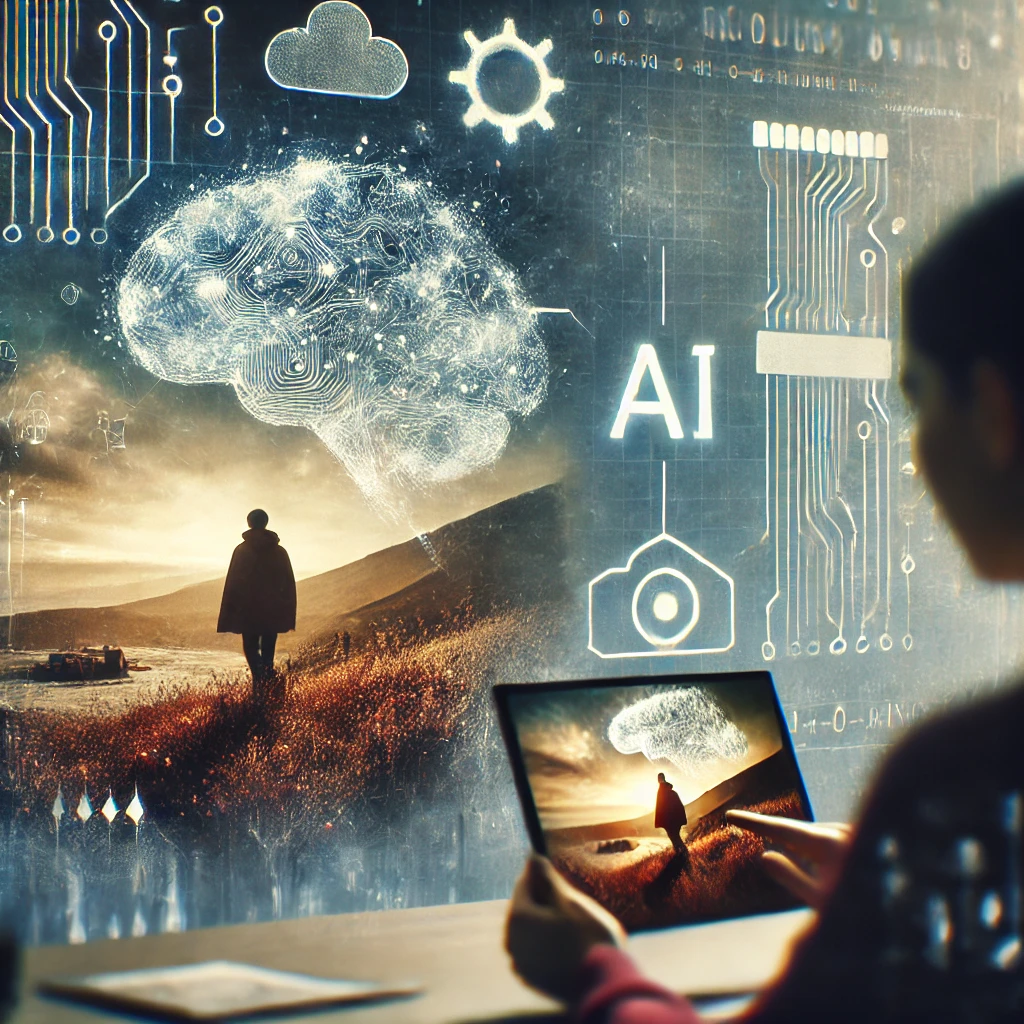
    Artificial intelligence has revolutionized the way we edit photos and videos, making it easier than ever to remove unwanted objects, enhance visuals, or even generate entire scenes from scratch. With just a few clicks, AI-powered tools can transform an image or video, improving quality, adding details, or erasing imperfections. But as these AI tweaks become more common, researchers are raising concerns about an unexpected consequence: the alteration of human memory.

    The Power of AI in Image and Video Editing

    AI-powered photo and video editing tools have made it incredibly simple for people to manipulate visual content. Platforms like Adobe Photoshop, Canva, and even smartphone apps offer AI features that allow users to retouch, beautify, or erase objects effortlessly. These tools use advanced algorithms to adjust lighting, colors, and even facial features, creating idealized versions of reality.

    For example, AI can be used to remove tourists from a landscape photo, enhance a sunset’s colors, or edit out a stray object that disrupts a shot. On social media, these enhancements are used to create more polished, aesthetic images. In video production, AI can be used to generate realistic scenes, remove background noise, and even create “deepfake” videos that are nearly indistinguishable from real footage.

    While these capabilities offer tremendous creative potential, they also pose a subtle risk: as the line between real and edited content blurs, our memories of what we’ve seen can change, leading to false or distorted recollections.

    How AI Alters Our Memories

    Research has shown that human memory is malleable and can be easily influenced by external factors, including the media we consume. When we view an AI-edited photo or video, we may store that altered version in our memory as though it were real. Over time, these false memories can replace our recollection of the original, unedited scene.

    For example, if someone uses AI to enhance the beauty of a vacation photo, adding vibrant colors and removing imperfections, they might later recall the trip as being more picturesque than it actually was. Similarly, AI-generated videos that remove objects or add idealized details can create false memories of events that never occurred.

    One study published in the journal Psychological Science demonstrated that even simple photo edits can lead to memory distortion. Participants were shown digitally altered photos of events they attended, and many later remembered details from the altered photos that weren’t part of the original experience. The more believable the alteration, the more likely it was to be remembered as real.

    The Risks of Memory Distortion

    Memory distortion caused by AI-edited media is more than just a curiosity—it has potential implications for how we perceive and understand the world around us. In personal contexts, it may lead to exaggerated or inaccurate recollections of events, altering how people reflect on their lives or relationships. A slightly edited family photo might lead to a more nostalgic, idealized memory of the occasion, changing the emotional impact of those memories over time.

    In more serious contexts, memory distortion could have legal, political, and societal consequences. AI-edited videos or deepfakes could lead to false memories of events, influencing public opinion or legal testimony. For example, a deepfake video of a political figure saying something controversial, even if later debunked, could still linger in the collective memory and shape public perception.

    The malleability of memory also raises concerns about the authenticity of historical records. As AI makes it easier to edit or generate realistic images and videos, it could become more difficult to distinguish between genuine visual documentation and altered media, leading to questions about the reliability of visual evidence in the digital age.

    Navigating the Blurred Line Between Reality and Edits

    As AI continues to advance, the challenge lies in how we navigate this increasingly blurred line between reality and AI-enhanced media. Experts are calling for more public awareness about the potential for AI-edited content to distort memory and influence perceptions. Transparency in how AI tools are used to alter images and videos can help, as can educational initiatives aimed at improving digital literacy.

    Developers of AI editing tools are also exploring ways to embed metadata or digital watermarks that signal when an image or video has been altered. Such safeguards could help users understand that what they’re seeing is an edited version of reality, not an accurate representation.

    Ultimately, the ease of using AI to tweak photos and videos presents both opportunities and risks. While it allows for creative expression and enhanced visuals, it also has the unintended effect of reshaping our memories and perceptions. As AI continues to evolve, it will be important to remain mindful of how these powerful tools shape not just what we see—but how we remember.

    Share. Facebook Twitter Pinterest LinkedIn Tumblr Email
    Admin

    Related Posts

    Shield AI and LUCAS drone program with AI Swarming Technology

    May 20, 2026

    Acceldata Launches Autonomous Data AI Platform for Agentic AI

    May 20, 2026

    Verdane and ETERNO Scale AI Healthcare Operations in Germany

    May 20, 2026

    Comments are closed.

    Latest News

    Shield AI and LUCAS drone program with AI Swarming Technology

    May 20, 2026

    Acceldata Launches Autonomous Data AI Platform for Agentic AI

    May 20, 2026

    Verdane and ETERNO Scale AI Healthcare Operations in Germany

    May 20, 2026

    FANUC and Google Partner to Advance Physical AI in Robotics

    May 20, 2026
    Facebook X (Twitter) Pinterest Vimeo WhatsApp TikTok Instagram LinkedIn YouTube Spotify Reddit Snapchat Threads

    AI University

    • Global Universities
    • Universities in Africa
    • Universities in Asia
    • Universities in Europe
    • Universities in Latin America
    • Universities in Middle East
    • Universities in North America
    • Universities in Oceania

    AI Tools & Apps Directory

    • AI Productivity Tools
    • AI Coding Tools
    • AI Voice Tools
    • AI Video Tools
    • AI Image Generators
    • AI Writing Tools

    Info

    • Home
    • About Us
    • AI Organizations & Associations
    • Contact Us
    • Cookie Policy
    • Copyright Policy
    • Disclaimer
    • Editorial Policy
    • Terms and Conditions

    Subscribe to Updates

    Get the latest creative news from FooBar about art, design and business.

    © 2026 Breaking AI News.
    • Privacy Policy

    Type above and press Enter to search. Press Esc to cancel.

    Sign Up

    Want to stay ahead In Artificial Intelligence?

     Sign up now and get exclusive breaking AI news and special updates—FREE!