


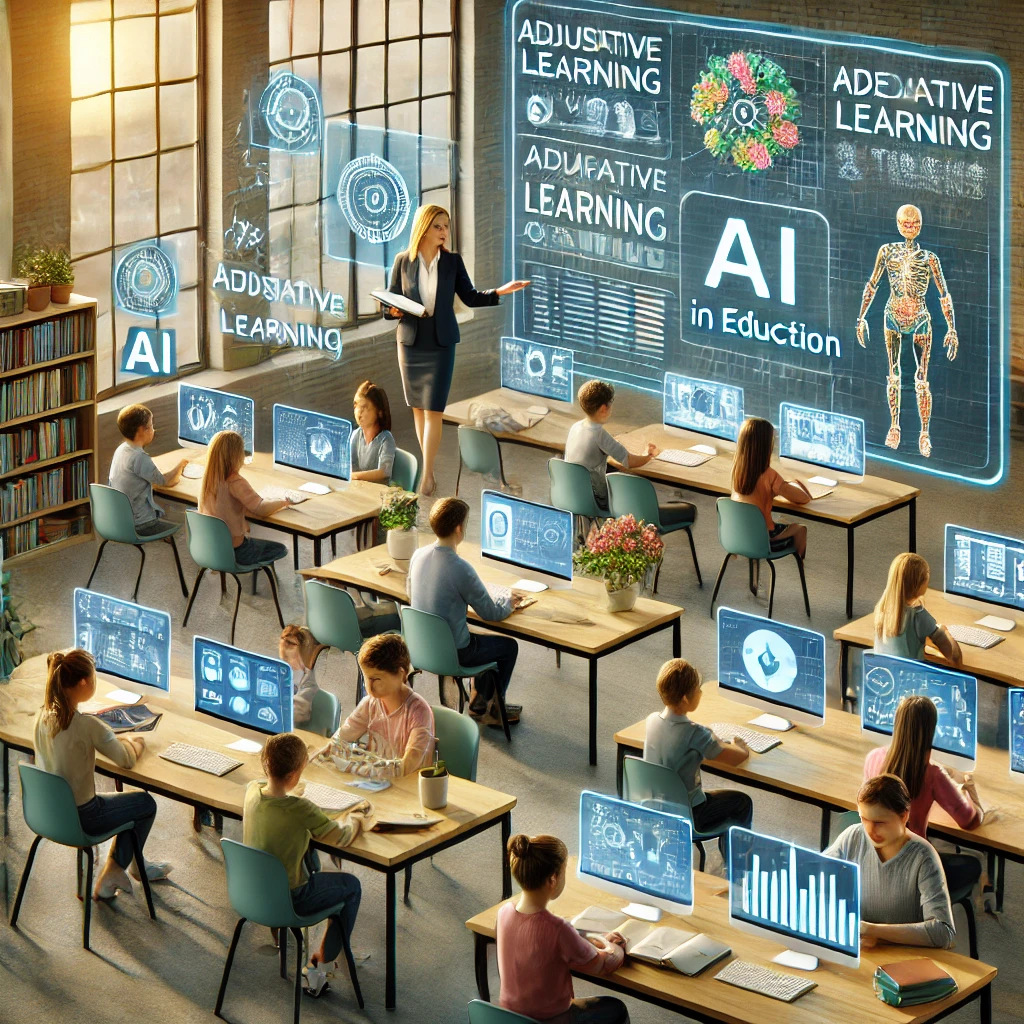
Artificial Intelligence is transforming education, blending algorithms, data, and predictive models to create adaptive learning environments. By processing information efficiently, AI enhances the educational experience, personalizing content, automating administrative tasks, and predicting student needs. This integration, however, represents more than a technical upgrade—it’s a paradigm shift that intertwines student life with machine learning models and digital interfaces, fundamentally altering the traditional classroom.
While AI’s efficiency and adaptability offer many benefits, its role in education also raises questions about the limits of technology in shaping young minds. As students interact with AI-driven platforms, the dynamic between human educators and students is shifting, potentially impacting the essential relational aspects of learning, such as mentorship, empathy, and collaboration. Boundaries must be set to ensure that AI supports, rather than replaces, meaningful human interactions.
This balance is essential as schools and institutions explore AI’s role in education. Setting guidelines around AI use can help protect the integrity of human-centered learning while allowing technology to enhance educational possibilities in a responsible and ethical manner.
