

Key Takeaways
- Saudi Arabia has declared 2026 as the Year of Artificial Intelligence to boost its focus on AI development and digital transformation.
- This initiative aligns with Vision 2030, which aims to diversify the economy beyond oil through AI technologies.
- The Saudi Data and Artificial Intelligence Authority leads efforts to implement AI in public services and infrastructure.
- The country ranks first in global public sector AI adoption, with two-thirds of government employees using AI tools.
- Over 11,000 specialists received AI training, and initiatives like SAMAI reached over one million participants to develop a skilled workforce.
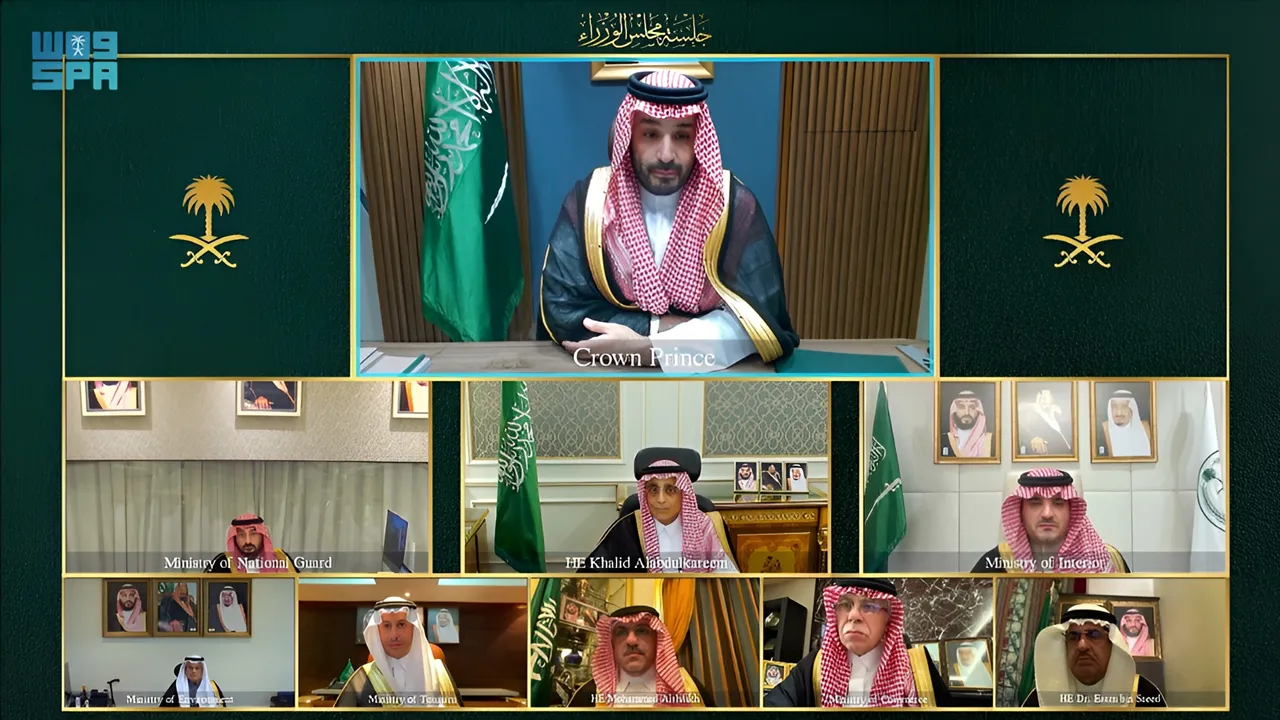
Saudi Arabia has officially declared 2026 as the Year of Artificial Intelligence. The decision was approved by the Saudi Cabinet. Crown Prince Mohammed bin Salman chaired the session. The initiative highlights the country’s focus on artificial intelligence development and digital transformation. The move supports Saudi Arabia’s long-term economic strategy under Vision 2030. Artificial intelligence is considered a major driver for future growth.
Artificial Intelligence Strategy Under Vision 2030
The designation of 2026 as the Year of Artificial Intelligence aligns with Saudi Arabia’s Vision 2030 plan. This national program aims to diversify the economy beyond oil. Artificial intelligence technologies are central to this transformation. Government agencies are increasing the use of AI systems in public services and national infrastructure.
The Saudi Data and Artificial Intelligence Authority (SDAIA) leads these initiatives. SDAIA manages the National Strategy for Data and Artificial Intelligence. The strategy focuses on six areas. These include ambition, skills development, governance, investment, innovation, and ecosystem expansion. The program supports AI research, education, and regulatory frameworks.
Government Adoption of Artificial Intelligence
Saudi Arabia has expanded artificial intelligence use across the public sector. Reports show the country ranks first globally in public sector AI adoption. About two-thirds of government employees use artificial intelligence tools in their daily work. Many public servants have used these tools for more than a year.
Government institutions are also investing heavily in artificial intelligence technologies. Around 77 percent of public sector organizations have implemented AI systems. Training programs have been launched to help employees learn how to use these technologies effectively.
Infrastructure and Workforce Development for Artificial Intelligence
Saudi Arabia continues to build infrastructure to support artificial intelligence development. Large data centers and high-performance computing systems have been established. One example is the Shaheen III supercomputer, which supports scientific research and advanced computing tasks.
The government has also created a National Data Lake. The platform connects more than 430 government systems. It enables data sharing across ministries and supports data-driven decision-making.
Human capital development is another priority. More than 11,000 specialists have received artificial intelligence training. The SAMAI education initiative has reached over one million participants. These programs aim to build a skilled workforce for the country’s expanding AI sector.
Source: https://www.middleeastainews.com/p/saudi-designates-2026-as-year-of