

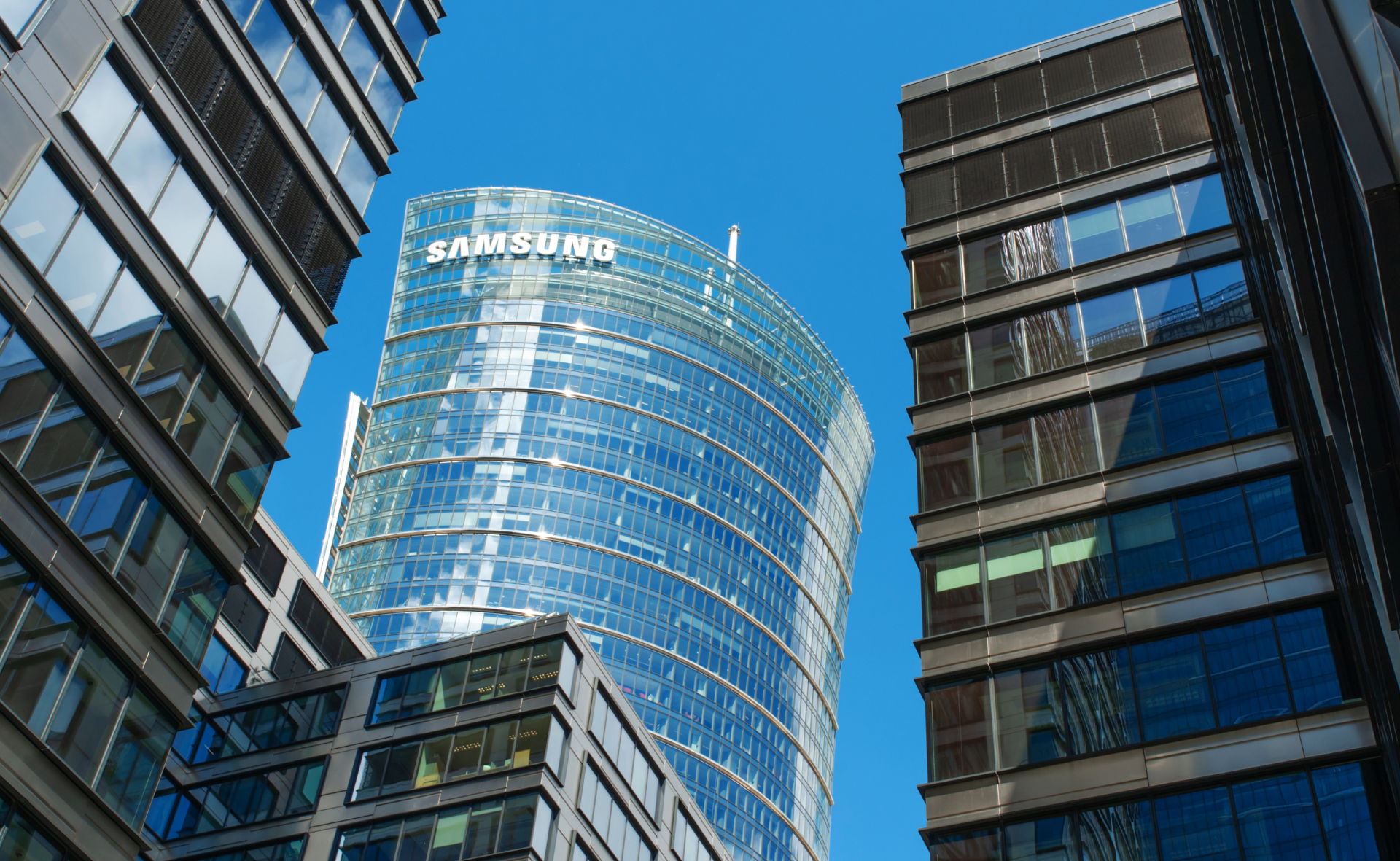
Samsung Electronics plans to greatly increase the number of devices with its Galaxy AI features in 2026. T.M. Roh, the company’s new co-chief executive, shared this strategy in an interview on January 5. Roh stated that Samsung aims to use artificial intelligence in all its products, functions, and services.
Currently, Samsung offers Galaxy AI on about 400 million smartphones and tablets. The company intends to raise that number to 800 million devices within the year. The AI features partly rely on Google’s Gemini model, which is built into Samsung’s mobile ecosystem.
Roh mentioned that this expansion is meant to strengthen Samsung’s competitive edge. The company wants to regain its top position in the global smartphone market, where it faces tough competition from Apple. Samsung is also addressing increasing pressure from Chinese electronics manufacturers across various device categories.
This plan may also benefit Google. Broader use of Galaxy AI could lead to more people using Google’s Android platform and Gemini models. Google released a new version of Gemini in November. That update prompted OpenAI to speed up the development of its next generation AI model.
Samsung’s internal research shows growing consumer awareness of Galaxy AI. Roh noted that brand recognition rose from about 30 percent to around 80 percent in just one year. He expects overall AI adoption to speed up as users become more accustomed to these features.
Roh pointed out that search is still the most commonly used AI function on smartphones. He also observed strong usage of generative AI tools. These tools include image editing, productivity assistance, translation, and text summarization. Samsung considers these features essential for everyday device use.
The company expects consumer skepticism about AI to lessen. Roh indicated that technologies that might seem uncertain now will likely become common in six to twelve months. Samsung plans to speed up deployment instead of waiting for gradual acceptance.
This announcement comes amid broader changes in the industry. Retail, mobile, and software companies are increasingly redesigning experiences around AI. Google Cloud recently noted that retail is entering a phase of agentic AI adoption. Agentic AI refers to systems that can reason, understand context, and take action.
Samsung’s strategy treats AI as a standard feature rather than an extra add-on. The company plans to integrate AI deeply into its devices. The aim is to weave intelligence into everyday user interactions while quickly expanding deployment in global markets.