

Key Takeaways
- The Pentagon Anthropic exit reshapes competition in the U.S. defense market, allowing smaller AI firms to enter.
- The removal of Anthropic from a key contract opens opportunities for other AI companies to secure government work.
- This decision reflects a growing trend toward diversifying AI vendors in defense, encouraging innovation and avoiding overreliance on a few firms.
- Companies now face increased competition and must demonstrate reliability, security, and compliance with strict standards.
- The Pentagon’s move may accelerate development for smaller firms and increase pressure on larger companies in the AI sector.
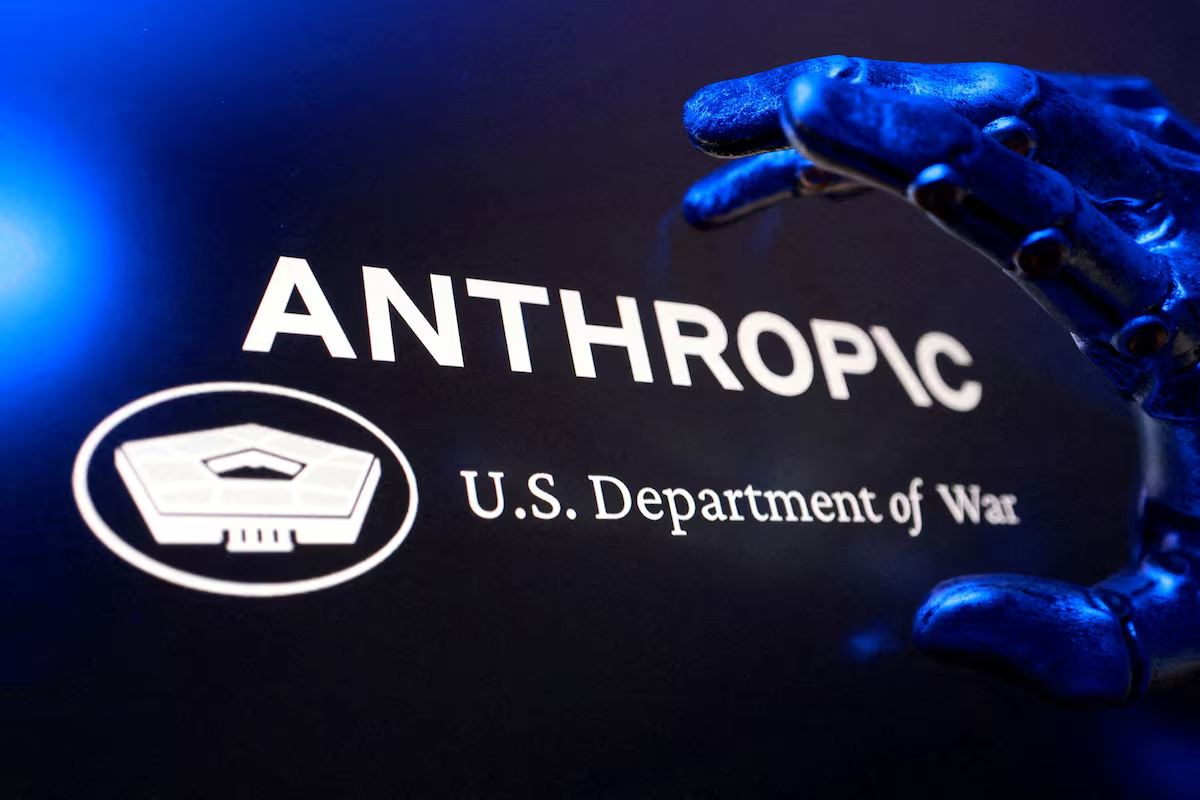
The Pentagon Anthropic exit is reshaping the competitive landscape, creating new opportunities for smaller AI rivals to enter the U.S. defense market.
Pentagon decision removes Anthropic from key AI contract
The U.S. Department of Defense has removed Anthropic from a major AI-related contract, opening the door for other companies to compete. The move is part of a broader effort to diversify suppliers and encourage competition in defense technology.
Anthropic had been among a select group of AI firms considered for government work. Its removal now shifts attention to alternative providers that may step in to fill the gap.
This decision reflects how dynamic and competitive the government AI sector has become.
Pentagon Anthropic exit creates opportunity for smaller AI players
The Pentagon Anthropic exit is particularly significant for smaller AI companies looking to break into the defense space. With one major player out, emerging firms may now have a better chance of securing contracts.
Government agencies are increasingly interested in working with a wider range of vendors to avoid overreliance on a few dominant companies.
This shift could lead to more innovation and diversity in AI solutions used for national defense.
Growing competition in government AI contracts
The defense sector is becoming a key battleground for AI companies. Contracts often involve high-value, long-term projects that can significantly boost a company’s growth and credibility.
As competition intensifies, companies must demonstrate not only technical capability but also reliability, security, and compliance with government standards.
The removal of a major player highlights how competitive and selective this space has become.
Strategic implications for the AI industry
The Pentagon’s move signals a broader trend toward expanding the pool of AI vendors in sensitive sectors. This could reduce concentration risk and encourage faster innovation.
For smaller companies, the opportunity to work with the government can accelerate development and open new revenue streams.
At the same time, larger firms may face increased pressure to maintain their positions in a more competitive environment.
Conclusion:
The Pentagon Anthropic exit marks a turning point in government AI procurement. By opening the field to smaller rivals, the decision could reshape competition and drive innovation in defense technology.