

Key Takeaways
- NVIDIA introduces space computing to enable AI infrastructure directly in orbit, reducing reliance on Earth-based data centers.
- The NVIDIA Space-1 Vera Rubin Module features advanced GPU technology, delivering 25 times more AI inference performance for space workloads.
- Space computing supports orbital data centers, allowing real-time data analysis from satellites and improving operational efficiency.
- Applications include satellite data processing, geospatial intelligence, and autonomous spacecraft operations, enhancing mission efficiency.
- Engineering challenges include extreme environmental conditions and hardware reliability, crucial for long-term operations in space.
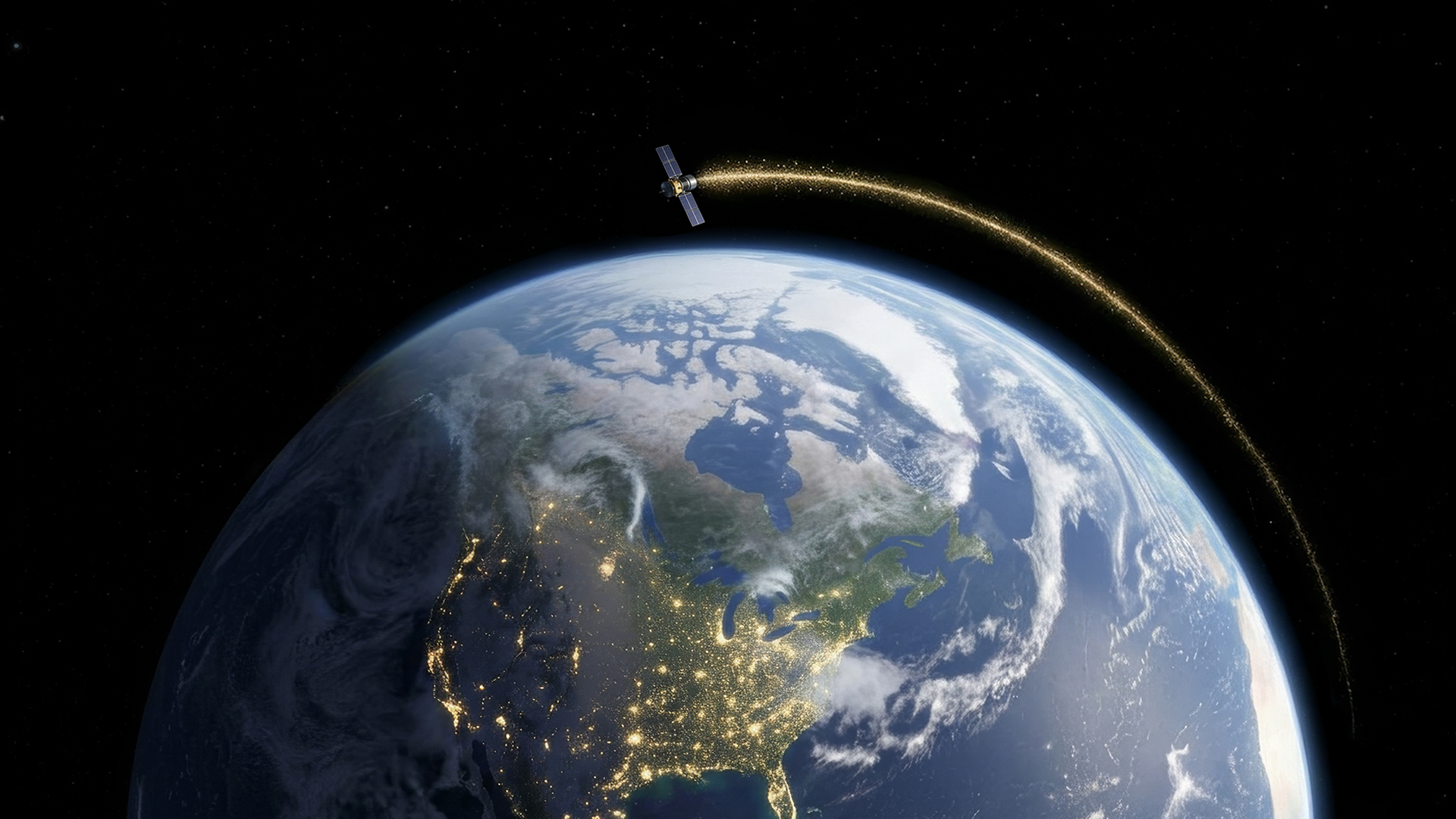
Space computing is a new initiative introduced by NVIDIA to enable artificial intelligence infrastructure in orbit. The concept focuses on running advanced computing systems directly in space. These systems can process satellite and sensor data without relying entirely on Earth-based data centers. NVIDIA presented the plan during its GTC keynote. The company aims to expand accelerated computing platforms beyond Earth. The initiative supports satellite operations, scientific missions, and large-scale data analysis. Space computing is designed to manage growing volumes of data generated in orbit. Processing information in space can reduce the need to transmit massive datasets back to Earth.
Space Computing Hardware and the Vera Rubin Module
NVIDIA revealed a new computing platform designed specifically for space computing environments. The system is called the NVIDIA Space-1 Vera Rubin Module. It integrates the company’s Rubin GPU architecture. The module is engineered to operate in the harsh conditions of space.
The Rubin GPU is designed to deliver up to 25 times more AI inference performance in space workloads compared with the NVIDIA H100 GPU. The platform supports artificial intelligence processing directly on satellites or orbital systems. It can analyze large datasets produced by sensors and imaging systems. The computing unit is optimized for reliability and efficiency in orbital operations.
Space Computing for Orbital Data Centers
Space computing supports the development of orbital data centers. These facilities would host computing infrastructure in space. Satellites generate significant amounts of information every day. Processing this data directly in orbit can improve efficiency.
Space computing allows satellite systems to analyze images, monitor environmental changes, and process geospatial intelligence in real time. This approach reduces latency because data does not always need to travel long distances back to Earth. It also lowers communication bandwidth requirements.
Orbital data centers could become part of future global computing networks. These systems would work alongside Earth-based data centers.
Space Computing Applications for Satellites and Space Missions
NVIDIA stated that space computing can support several operational use cases. These include satellite data processing, geospatial intelligence analysis, and autonomous spacecraft operations. AI models could analyze satellite imagery and sensor outputs in orbit.
Space computing systems may also assist with mission planning and spacecraft navigation. Autonomous systems could respond to changing conditions without waiting for instructions from Earth. This capability can improve the efficiency of space missions.
Engineering Challenges in Space Computing
Operating computing infrastructure in space presents technical challenges. Cooling systems must function without atmospheric airflow. Heat generated by hardware must dissipate through radiation.
Electronics must also withstand high levels of cosmic radiation. Hardware reliability is critical because repairs in orbit are difficult. Engineers must design systems capable of long-term operation in extreme environments.
NVIDIA’s space computing initiative represents an effort to extend AI computing infrastructure beyond Earth. The project combines GPU technology, satellite systems, and artificial intelligence software to support future space-based computing networks.
Source: https://nvidianews.nvidia.com/news/space-computing