

Key Takeaways
- NVIDIA and T-Mobile collaborate on AI-RAN infrastructure for integrating AI workloads with wireless networks.
- AI-RAN infrastructure enables radio access networks to work with AI computing systems, processing AI tasks close to end users.
- T-Mobile’s nationwide 5G network provides low latency and high bandwidth for real-time AI services, enhancing edge computing capabilities.
- The partnership emphasizes physical AI applications, such as robotics and industrial automation, using sensors and intelligent devices.
- Industry partners are testing the integrated architecture to support next-gen wireless services and distributed AI deployments.
NVIDIA and T-Mobile announced a collaboration focused on AI-RAN infrastructure. The initiative integrates artificial intelligence workloads with wireless network operations. The project includes partners such as Nokia and other technology companies. The goal is to deploy physical AI applications on telecom networks. AI-RAN infrastructure allows radio networks to operate together with AI computing systems. The collaboration aims to expand AI capabilities at the network edge.
AI-RAN Infrastructure Enables AI and Network Functions
AI-RAN infrastructure combines radio access network operations with accelerated computing resources. NVIDIA provides the AI Aerial platform for this system. The platform integrates GPUs, software, and communication technologies. These components allow telecom networks to process AI workloads alongside normal network traffic.
The infrastructure supports AI inference tasks near end users. Data can be analyzed directly within the telecom network. This reduces the need to send information to distant data centers. AI-RAN infrastructure allows operators to run multiple workloads on shared hardware.
Edge Computing Expands AI-RAN Infrastructure Capabilities
T-Mobile contributes its nationwide 5G network and edge computing environment. The network provides connectivity and distributed computing resources. Edge computing allows AI applications to process data close to the source.
Low latency and high bandwidth support real-time AI services. Devices such as cameras, sensors, and robots can send data to nearby edge servers. AI models can analyze this information immediately. AI-RAN infrastructure enables these operations inside the telecom network.
Physical AI Applications Powered by AI-RAN Infrastructure
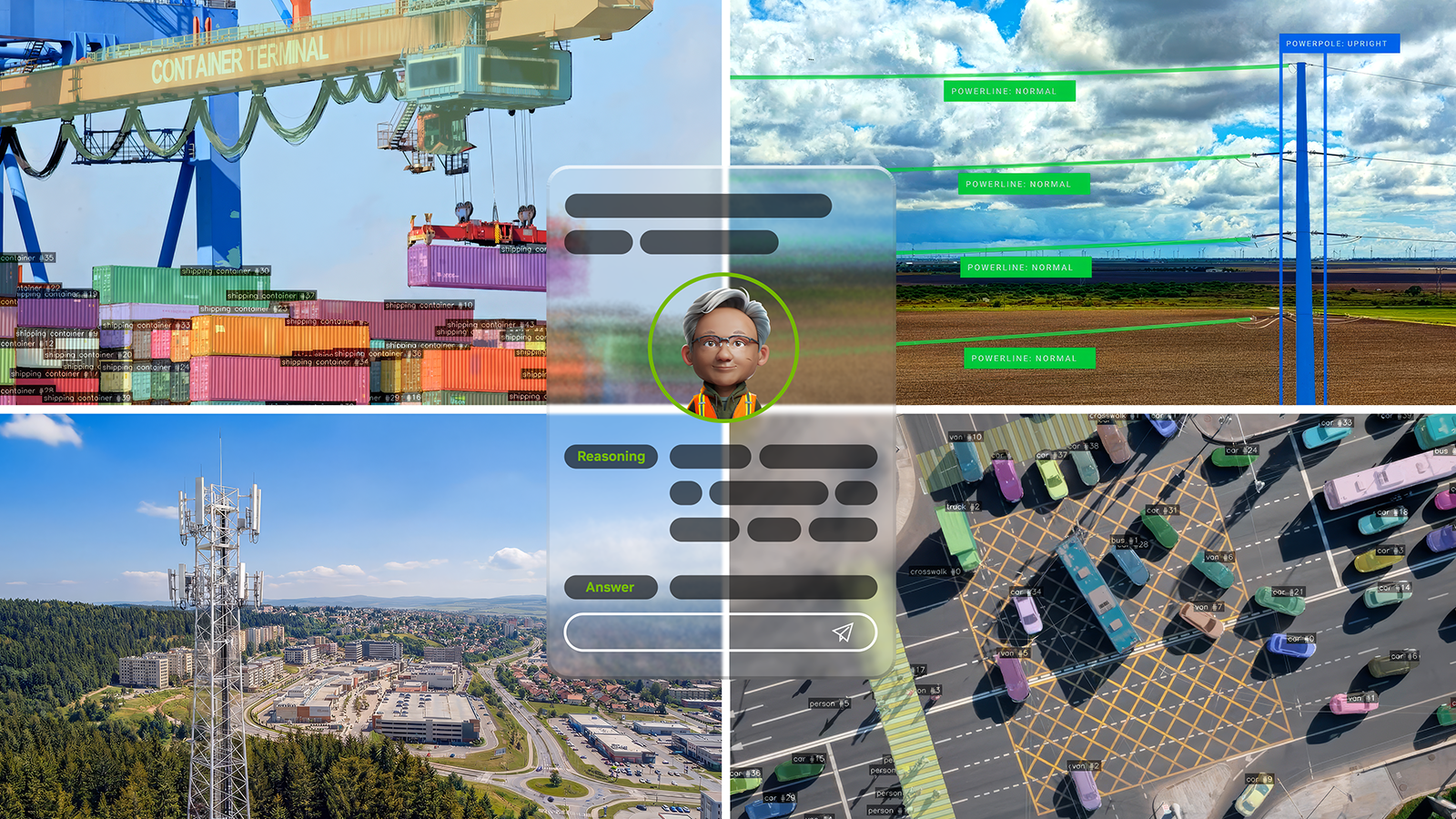
The partnership focuses on physical AI applications. These systems interact with real-world environments using sensors and intelligent devices. Examples include robotics, autonomous machines, and industrial automation systems.
AI models analyze sensor data, video streams, and device signals. Processing occurs through AI-RAN infrastructure deployed in telecom facilities. Nokia and other partners provide telecommunications equipment and network technology.
The integrated architecture allows telecom networks to support connectivity and AI processing simultaneously. Industry partners are testing these systems to prepare for next-generation wireless services and distributed AI deployments.