

Key Takeaways
- Maroc Telecom and the European Commission are discussing digital sovereignty at GITEX Africa 2026, aiming to improve digital ecosystems.
- The talks focus on strengthening collaboration in digital infrastructure, policy, and reducing dependency on external providers.
- Both parties emphasize the importance of regulatory alignment, data protection, and investment in next-generation networks.
- Maroc Telecom aims to position Morocco as a digital leader, while European efforts promote secure digital frameworks across regions.
- These discussions indicate a commitment to advancing digital sovereignty and enhancing Africa-Europe tech collaboration.
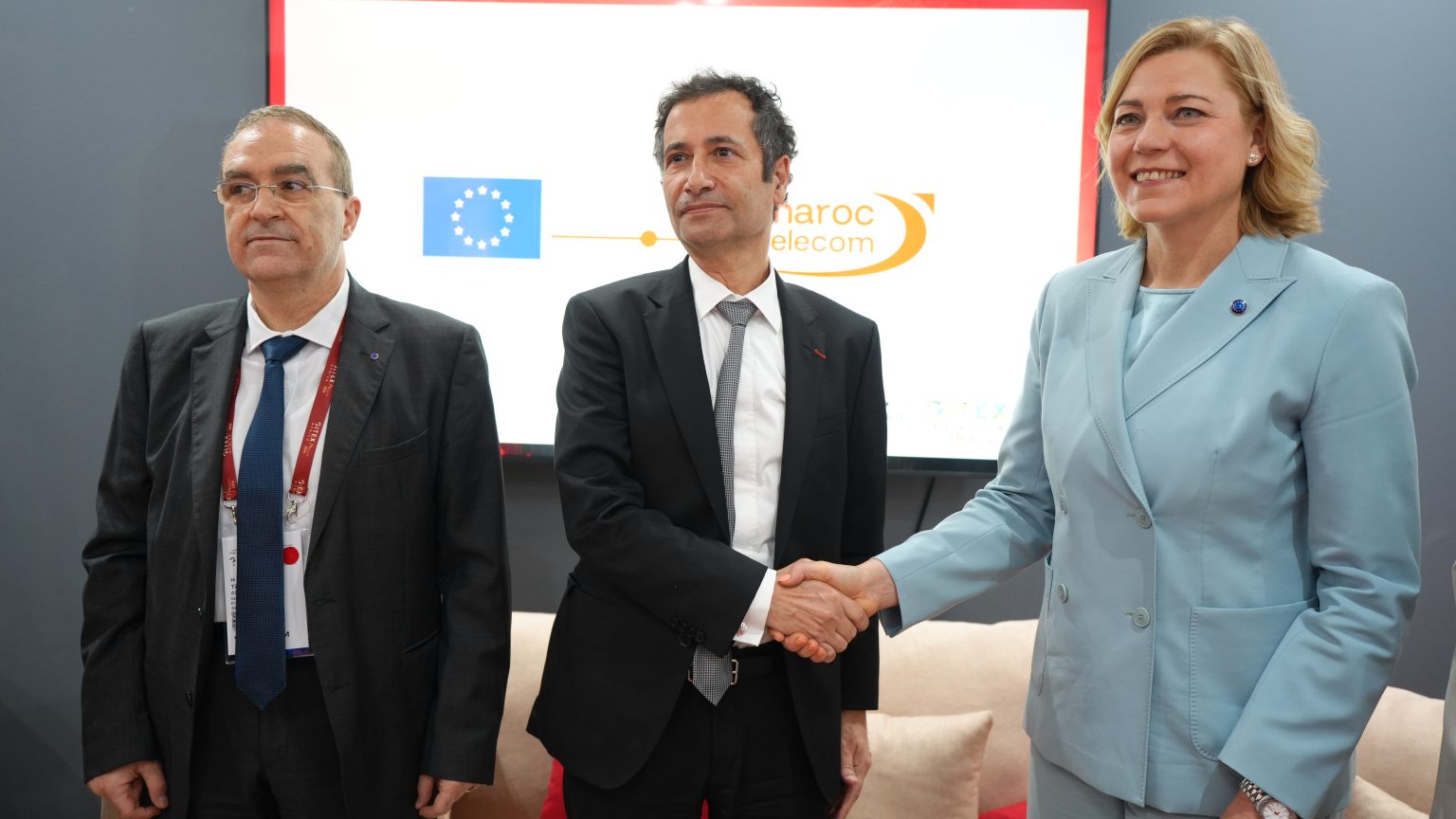
The Maroc Telecom European Commission talks are drawing attention as key discussions on digital sovereignty take center stage at GITEX Africa 2026. The meeting reflects growing cooperation between Africa and Europe in shaping secure and independent digital ecosystems.
High-Level Talks at GITEX Africa
At GITEX Africa, Maroc Telecom and representatives from the European Commission held strategic discussions focused on the future of digital infrastructure and policy. The meeting brought together key stakeholders aiming to strengthen collaboration between Morocco and the European Union in the tech sector, particularly around connectivity, regulation, and innovation.
These talks highlight the increasing importance of cross-border partnerships in building resilient digital systems that can support economic growth and technological independence.
Maroc Telecom European Commission Talks on Digital Sovereignty
The Maroc Telecom European Commission talks placed strong emphasis on digital sovereignty, a concept that is becoming central to national and regional tech strategies. Both parties explored how to ensure greater control over data, infrastructure, and digital services while reducing reliance on external providers.
For Morocco, this aligns with its broader ambition to position itself as a digital leader in Africa. For the European Commission, it reflects ongoing efforts to promote secure and transparent digital frameworks across partner regions.
The discussions also touched on regulatory alignment, data protection, and investment opportunities in next-generation networks.
Strengthening Africa-Europe Tech Collaboration
Beyond sovereignty, the talks underscored the importance of deeper collaboration between African and European tech ecosystems. Maroc Telecom’s role as a major telecom operator positions it as a bridge between the two regions.
By working together, both sides aim to accelerate digital transformation, improve connectivity, and support innovation across sectors. This includes expanding broadband access, investing in infrastructure, and encouraging joint ventures between companies.
Such partnerships are expected to drive long-term growth and create new opportunities for businesses and consumers alike.
Why Digital Sovereignty Matters Now
Digital sovereignty has become a critical issue as countries seek greater control over their digital futures. With rising concerns around data security, cyber threats, and dependency on global tech giants, governments and companies are rethinking their strategies.
The Maroc Telecom European Commission talks reflect this shift, showing how regions are prioritizing autonomy while still fostering international cooperation. For users, this could mean more secure services, better data protection, and improved digital experiences.
Conclusion:
The Maroc Telecom European Commission talks mark an important step in advancing digital sovereignty and strengthening Africa-Europe tech ties. As these discussions evolve, they are likely to shape the future of digital policy, infrastructure, and innovation across both regions. Stay updated for more global tech developments.