

AI in agriculture is moving into the core economic decisions that shape modern farming. At CES, agriculture executives explained how artificial intelligence now influences planting choices, crop genetics, chemical use, and yield forecasting. These changes affect farming at global scale, where small efficiency gains can impact food supply chains worth billions of dollars.
AI in Agriculture Shifts From Machines to Software
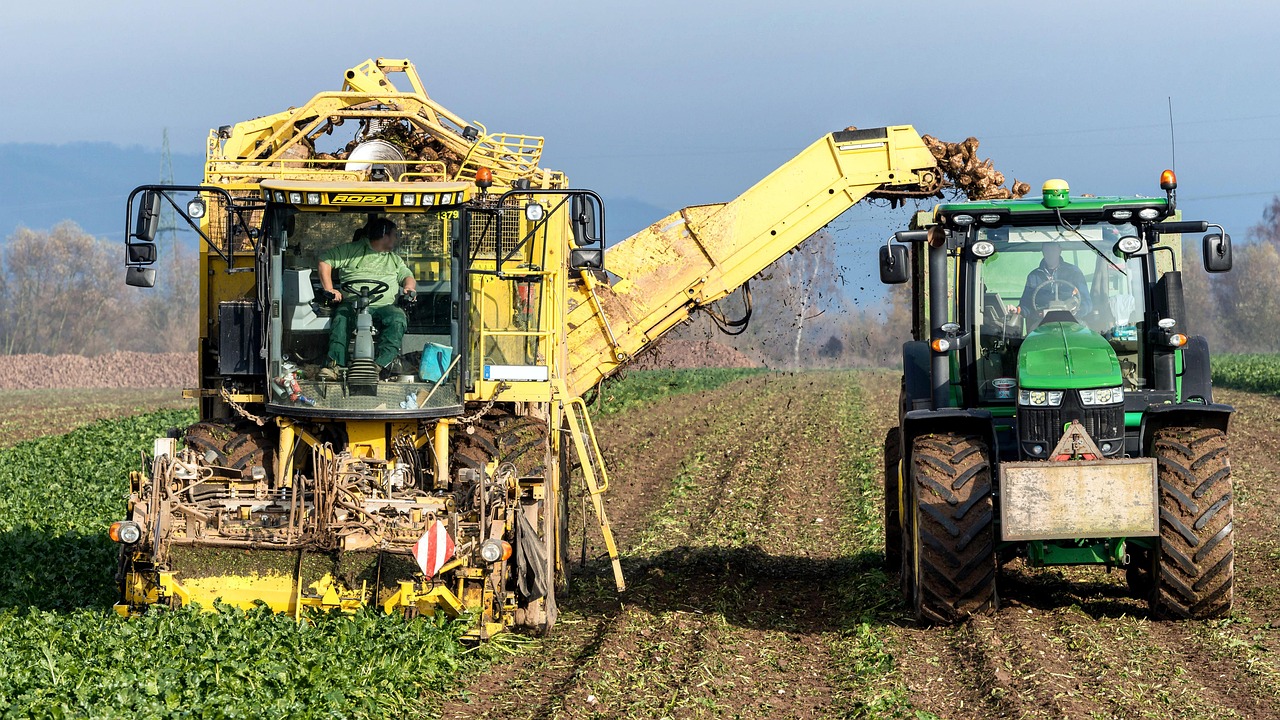
AI in agriculture is changing how farms operate beyond hardware upgrades. Executives from John Deere described how farming innovation is shifting toward software-defined systems. AI models combine satellite imagery, historical yield data, and live sensor inputs. These systems guide machines in real time. During harvesting, combines adjust speed automatically based on predicted crop density. This allows consistent productivity without constant manual control. Similar systems support weed control by adapting equipment behavior as field conditions change.
AI in Agriculture Reaches Seeds and Crop Chemistry
AI in agriculture also affects decisions made before planting begins. Heritable Agriculture explained how AI models link plant genetics to specific environments. These tools predict where certain genetic traits perform best under different soil and climate conditions. The company applies generative AI techniques to genetic data by treating DNA as structured sequences. This accelerates discovery without direct genetic modification. These models help reduce trial timelines and improve breeding efficiency.
AI in Agriculture Enables Digital Twins and Scale
AI in agriculture supports the use of digital twins across farming operations. Executives said teams can estimate soil and weather conditions for nearly any global location without weeks of manual sampling. John Deere platforms already allow digital representations of equipment and fields. Heritable Agriculture creates digital models of plant varieties to simulate responses to irrigation, soil changes, and climate variation. These systems allow precise planning across large geographic areas.
Trust and Adoption in AI in Agriculture
Executives said adoption depends on trust and clear economic value. AI systems must reduce complexity rather than add new layers of data analysis. Farmers continue to guide decisions while AI manages execution and forecasting. The focus remains on improving efficiency, reducing waste, and stabilizing farm economics at scale.