

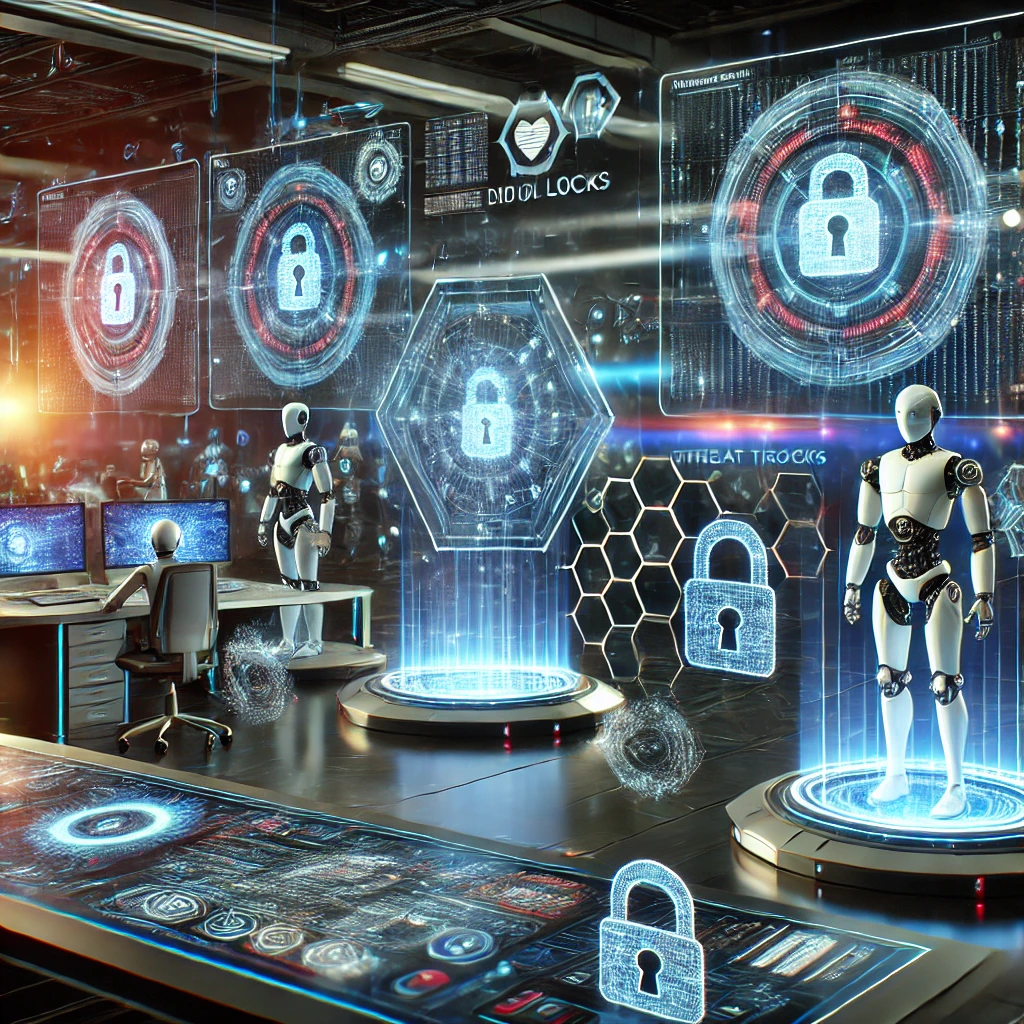
Artificial intelligence (AI) is rapidly transforming industries, and cybersecurity is no exception. While AI’s capabilities offer immense promise, the technology also presents new challenges, especially as malicious actors begin to leverage it to outpace traditional security measures. Despite these risks, businesses worldwide are betting on AI as a critical tool to enhance their defenses.
A Double-Edged Sword
Research from the Institute of Electrical and Electronics Engineers (IEEE) highlights the growing dichotomy in AI’s role within cybersecurity. On one hand, organizations recognize the threats posed by AI-driven attacks. On the other, a significant portion of UK businesses—44%—see AI as a game-changer for improving real-time vulnerability detection and attack prevention in the coming year.
AI’s ability to monitor, flag, and mitigate security threats in real-time is already proving indispensable. For example, 41% of surveyed companies expect to implement robotics cybersecurity systems in their operations, leveraging AI to prevent data breaches and financial losses by responding to threats faster than human teams ever could.
The Path to 2025: A Generative AI Reckoning
Looking ahead, enterprise leaders are bracing for a generative AI “reckoning” in 2025. A staggering 91% of executives believe that as people gain a deeper understanding of AI’s potential and limitations, expectations for its role in security and beyond will drastically shift. Organizations will need to balance innovation with accountability to meet these growing demands.
The Road Ahead
As cybersecurity continues to evolve, AI is poised to be both an asset and a liability. The success of businesses in this new era will depend on their ability to integrate AI thoughtfully, ensuring it is used to protect rather than compromise systems.
While challenges remain, one thing is clear: AI in cybersecurity isn’t just the future—it’s the present. Companies that embrace its potential while staying vigilant against its risks will be best positioned to thrive in an increasingly digital world.